

Building circularity into the future of solar
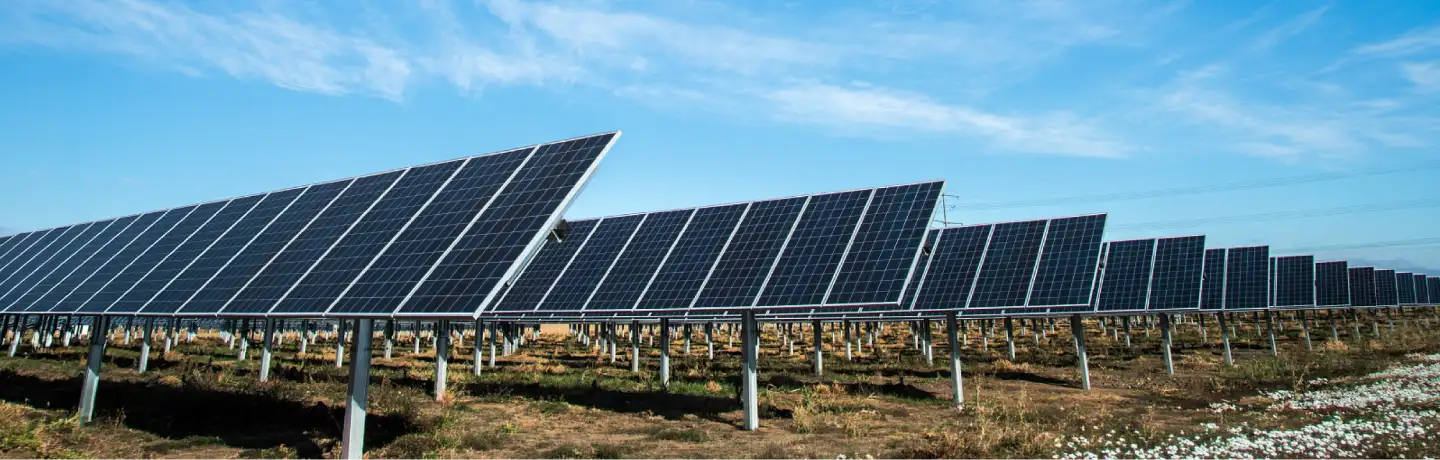
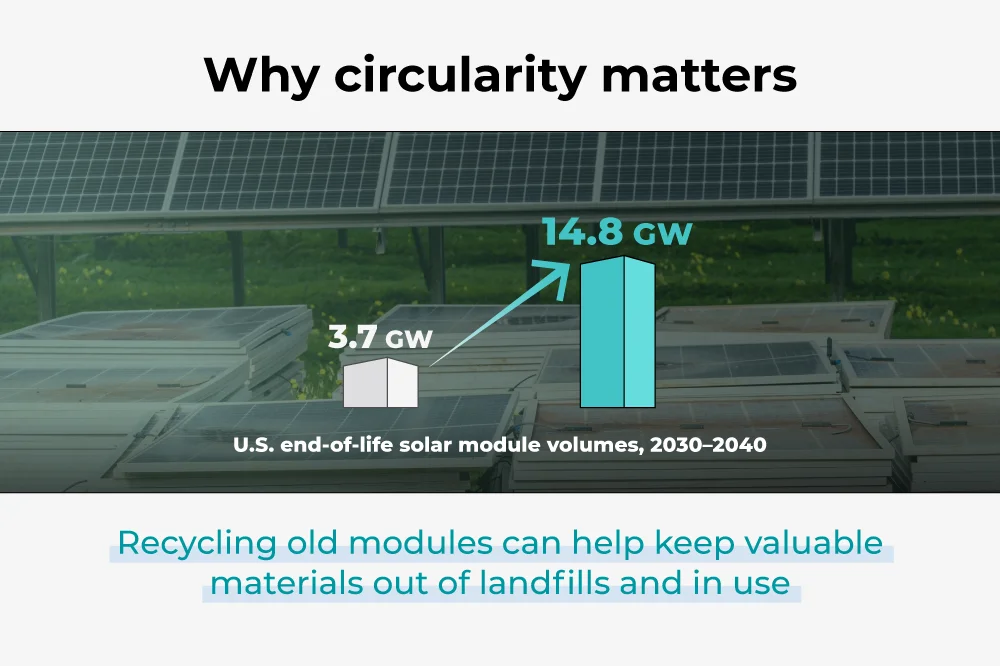
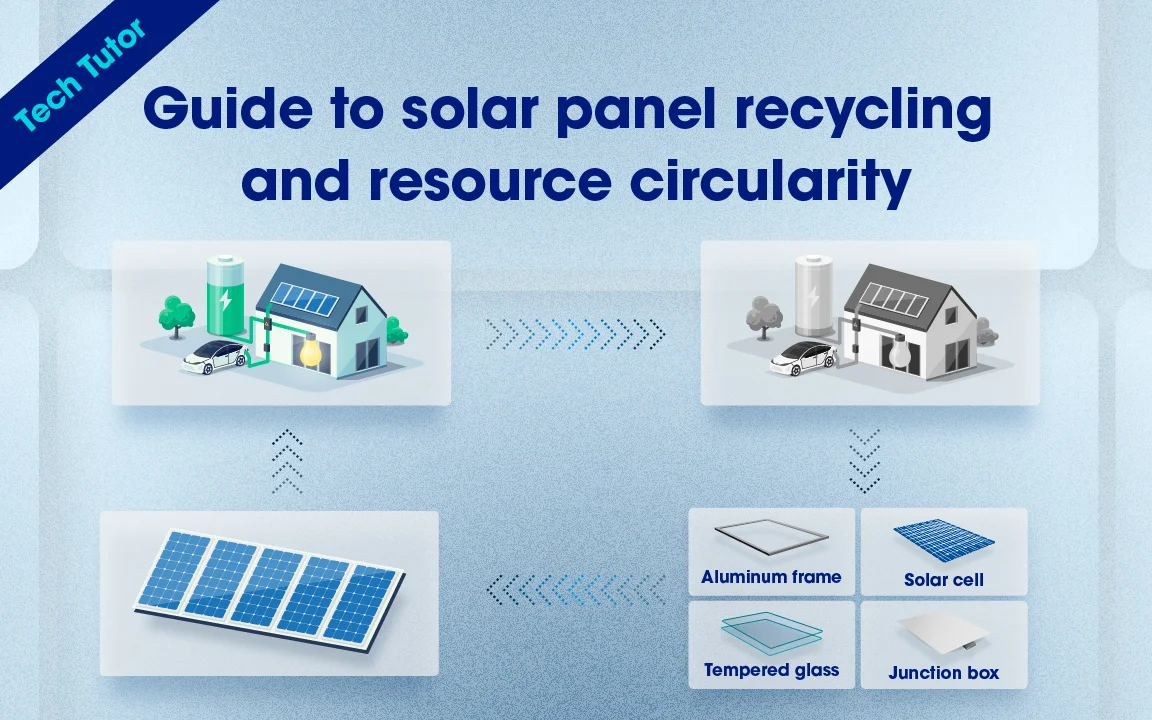
As the energy transition accelerates, growing volumes of renewable energy infrastructure will eventually reach the end of their operational lives. For the solar industry, this makes recovering and reusing valuable materials an increasingly important part of the equation.
Timed with Climate Week NYC, World Economic Forum’s Circular Transformation of Industries (CTI) Sectoral Playbook provides a practical framework for industrial companies looking to scale circularity, with a focus on strengthening resource security, resilience, and growth.
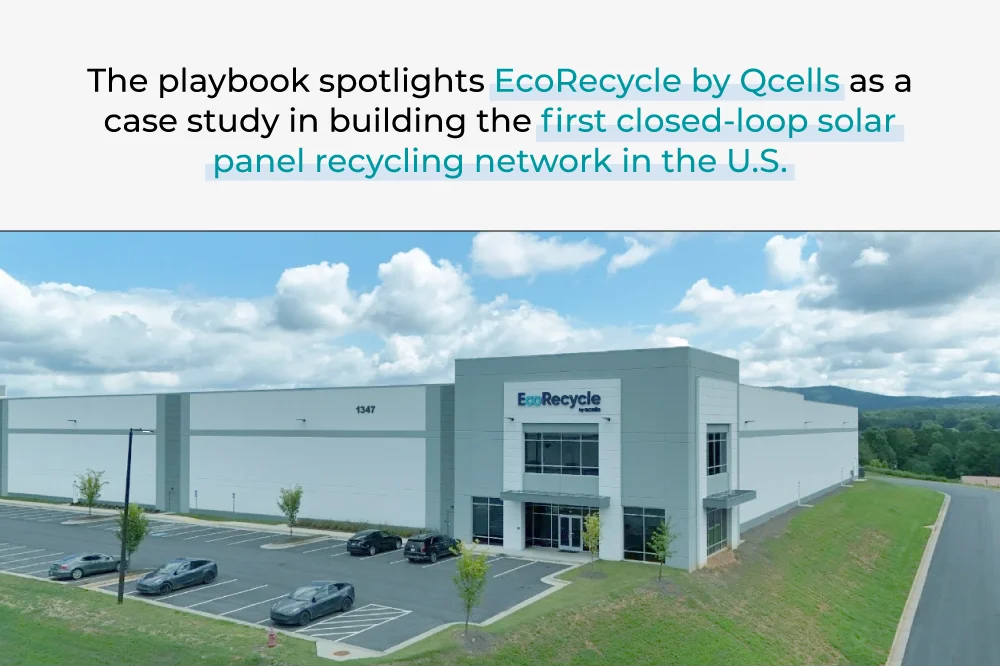
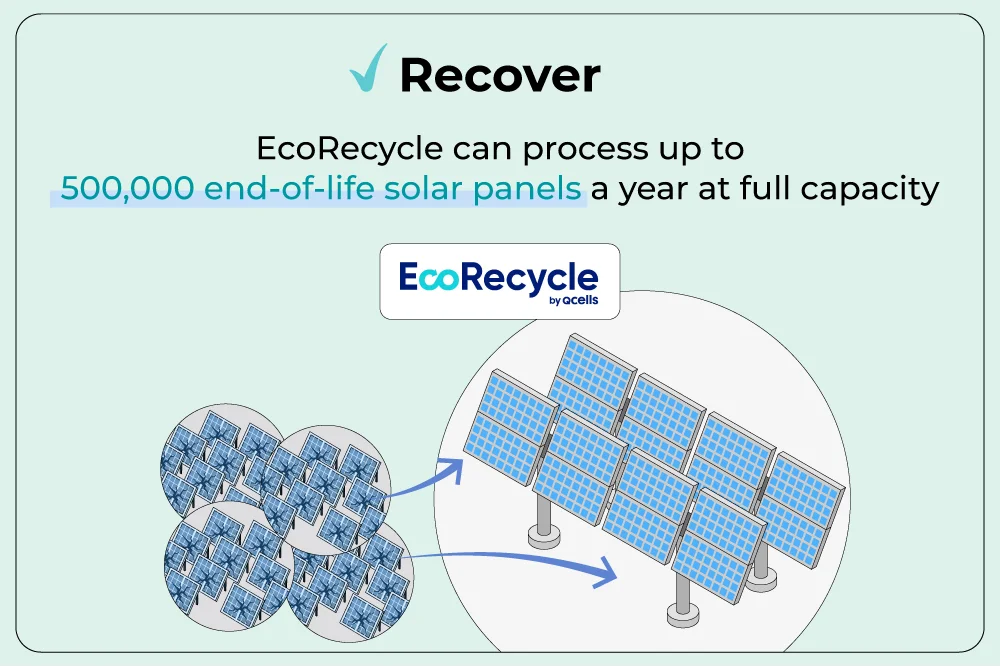
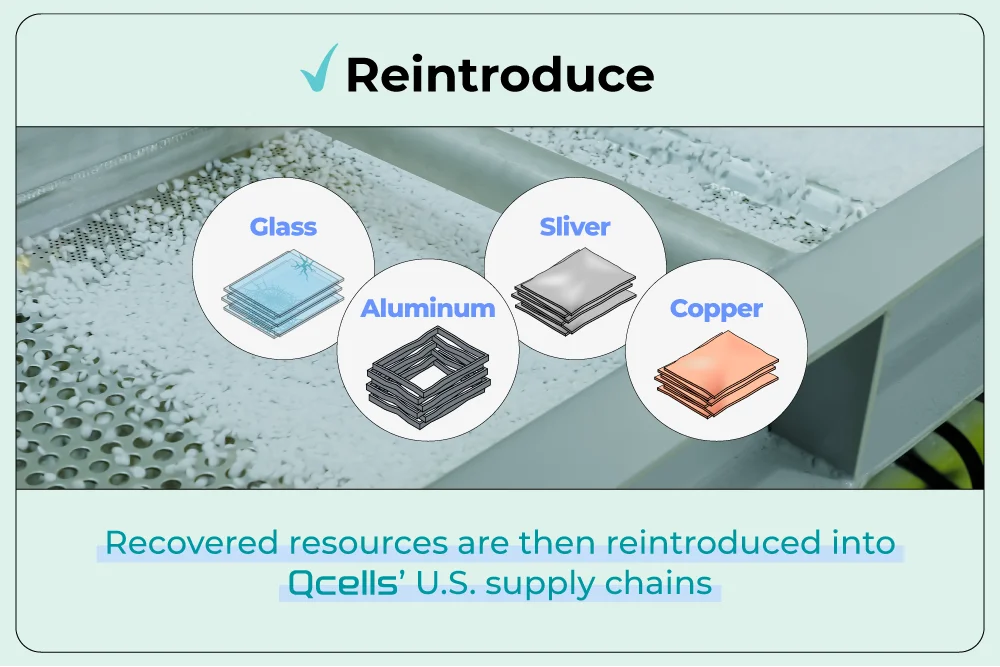
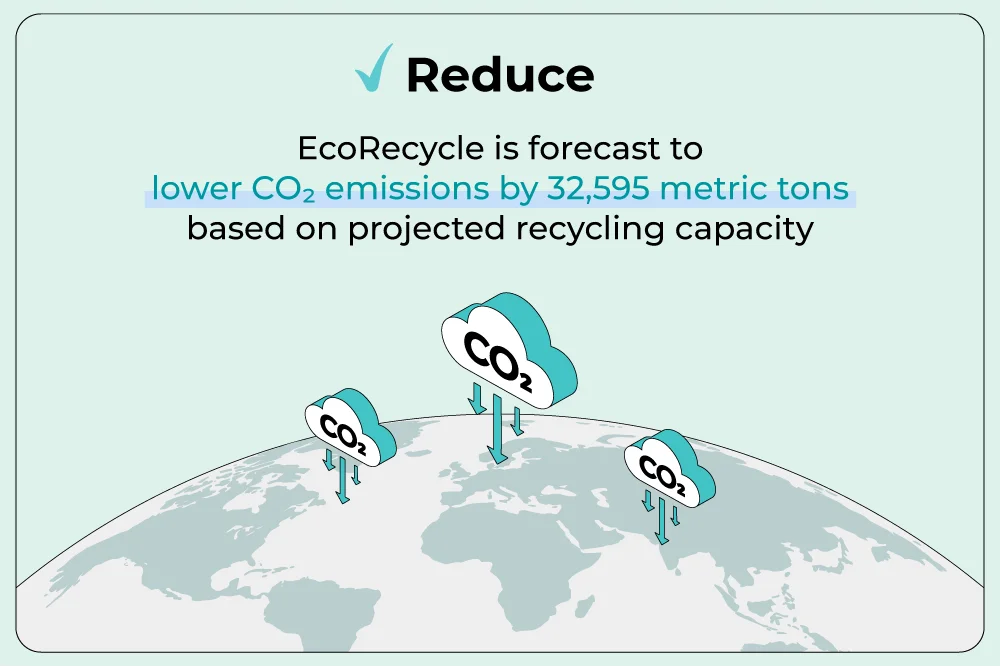
Putting that framework into practice, the playbook features Hanwha’s EcoRecycle by Qcells as a case study in building the first closed-loop solar panel recycling network in the U.S., connecting end-of-life recovery with the broader solar value chain.
Explore the playbook and learn how Hanwha is supporting a more circular and resilient U.S. solar industry.

Related Content


Get the latest news about Hanwha, right in your inbox.
Fields marked with * are mandatory.
- Non-employee
- Employee