

Inside Centre Pompidou Hanwha, Seoul’s new global art destination
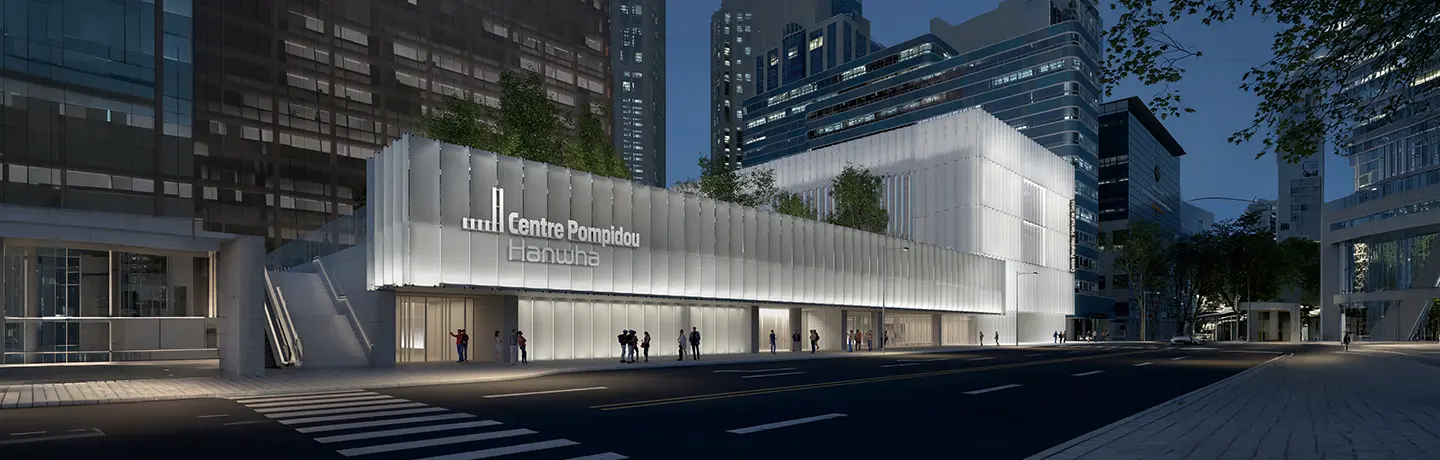
• Centre Pompidou Hanwha opens at Seoul’s 63 Building on June 4, 2026, becoming the Pompidou’s first venue in South Korea under a four-year partnership.
• The venue will present two exhibitions a year drawn from the Centre Pompidou’s collection of more than 140,000 modern and contemporary works.
• The Hanwha Foundation of Culture, which has supported Korean artists across performing and visual arts since 2007, funds and operates the venue as part of its long-term cultural commitment.
Seoul’s standing as a global cultural capital has accelerated over the past decade, carried by Korean film, music, design, and gastronomy. Major international cultural institutions are now establishing prominent venues in the city, recognizing both its scale as a creative market and its growing role as a hub for cross-regional cultural exchange. The arrival of the Centre Pompidou, one of the world’s most influential institutions for modern and contemporary art, marks a new chapter in that landscape.
What is the Centre Pompidou?
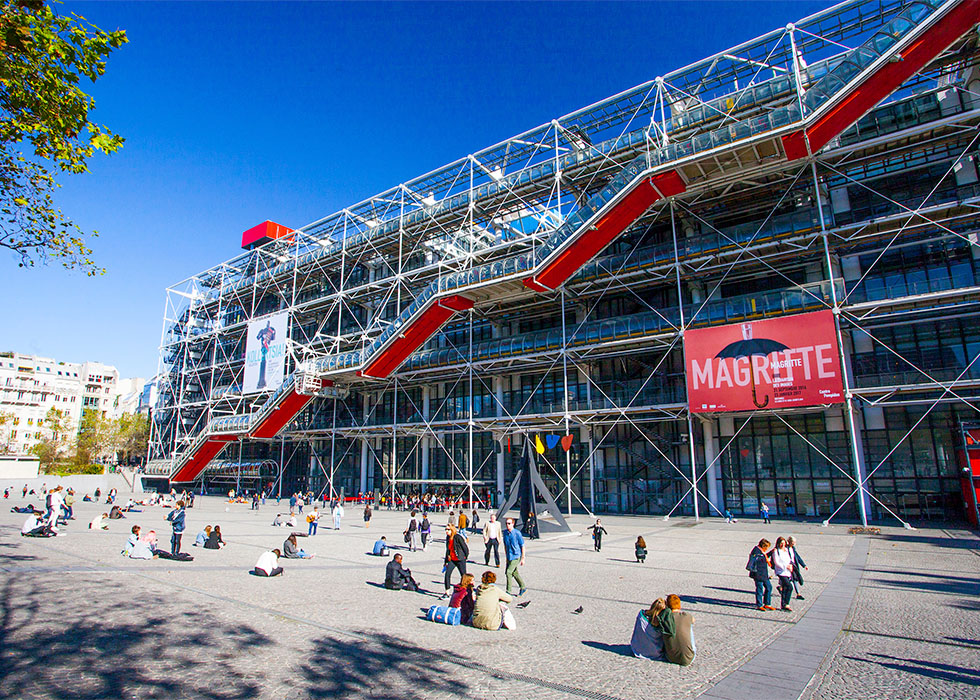
Founded in 1977 in central Paris, the Centre Pompidou is one of Europe’s most visited modern and contemporary art museums. It holds the largest collection of its kind in Europe, with more than 140,000 works including pieces by Picasso, Matisse, Kandinsky, Warhol, and Bacon. The Pompidou’s mission has long been to make modern and contemporary art accessible to a wide public, an approach that has shaped museum practice internationally for nearly five decades.
Why did Hanwha partner with the Centre Pompidou?
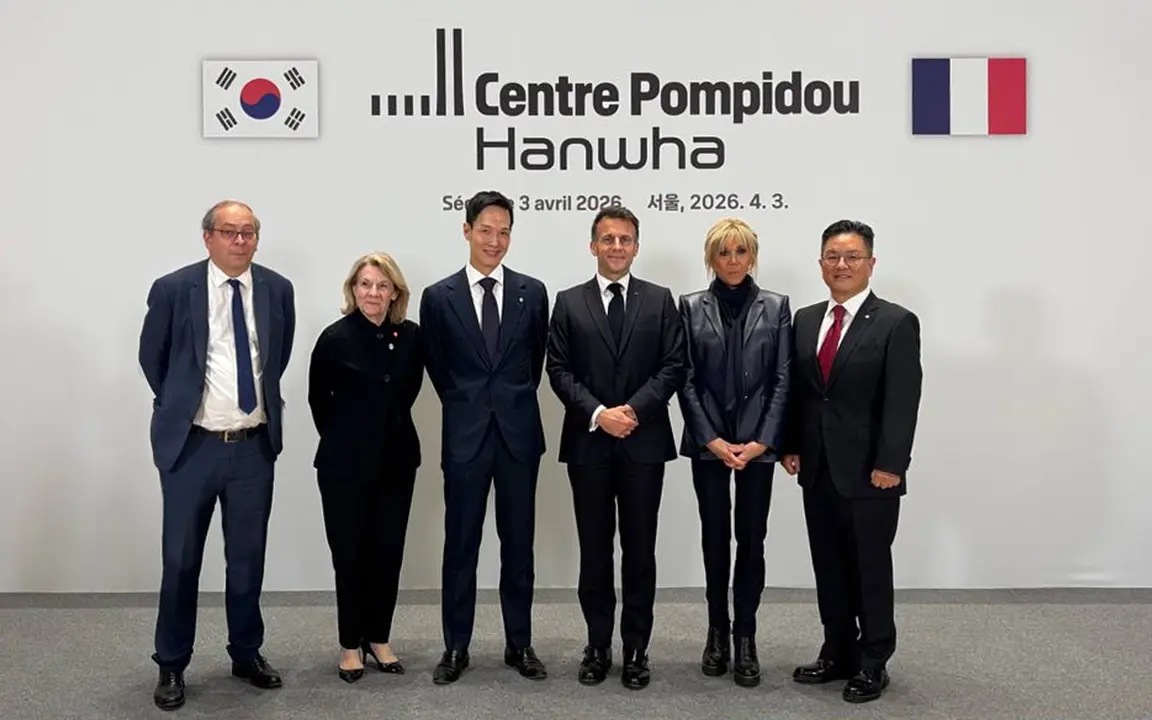
For Hanwha, Centre Pompidou Hanwha is a long-term project, not a single opening. The Hanwha Foundation of Culture, which signed the four-year partnership on March 19, 2023, leads the venue’s construction, renovation, and ongoing operation, with the Centre Pompidou contributing curatorial direction and access to its collection.
The Hanwha Foundation of Culture has long believed in the power of art to create social value and foster meaningful cultural exchange. In the Centre Pompidou, the Foundation found a natural partner — an institution whose spirit of innovation and experimentation, and whose sustained engagement with the defining questions of contemporary society, closely reflect the Foundation’s own vision for the arts.
But the partnership goes beyond bringing one of the world’s most significant collections of modern and contemporary art to Korean audiences. It also opens new channels of collaboration — connecting the Centre Pompidou’s research capabilities and global network with Korea’s art community, and deepening the dialogue between Korean artists, institutions, and the wider international art world.
Centre Pompidou Hanwha also builds on the Foundation’s own track record of supporting Korean creative talent. Initiatives such as Space ZeroOne and the Youngmin International Artist Residency have long provided platforms for artists’ development and cross-border outreach. The new venue extends that mission, offering a durable, high-profile stage from which Korean artists and contemporary Korean art discourse can engage, and be heard, on a truly global scale.
What can visitors expect?
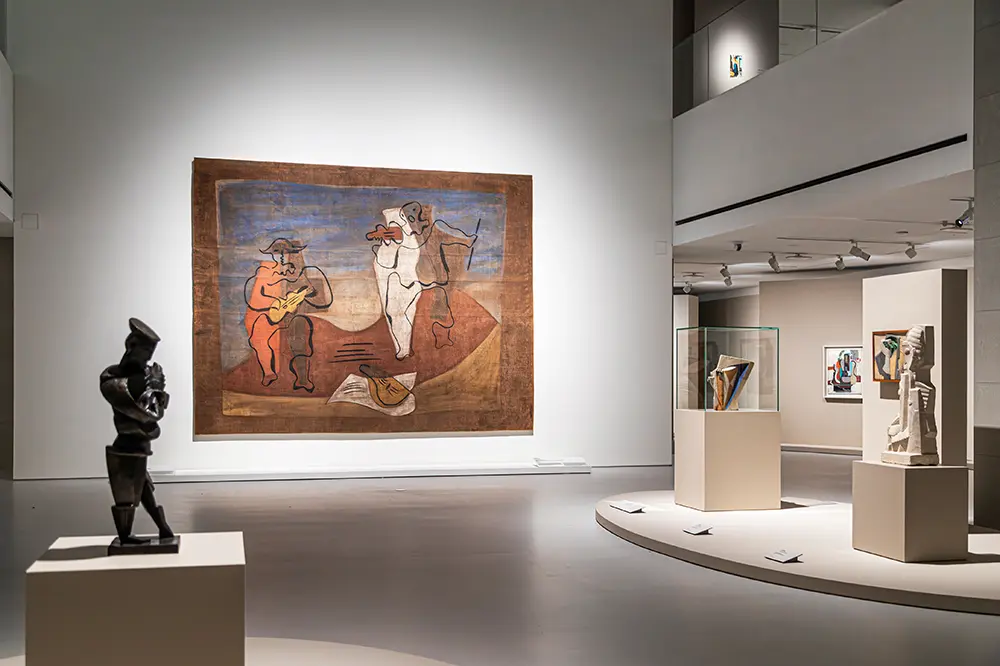
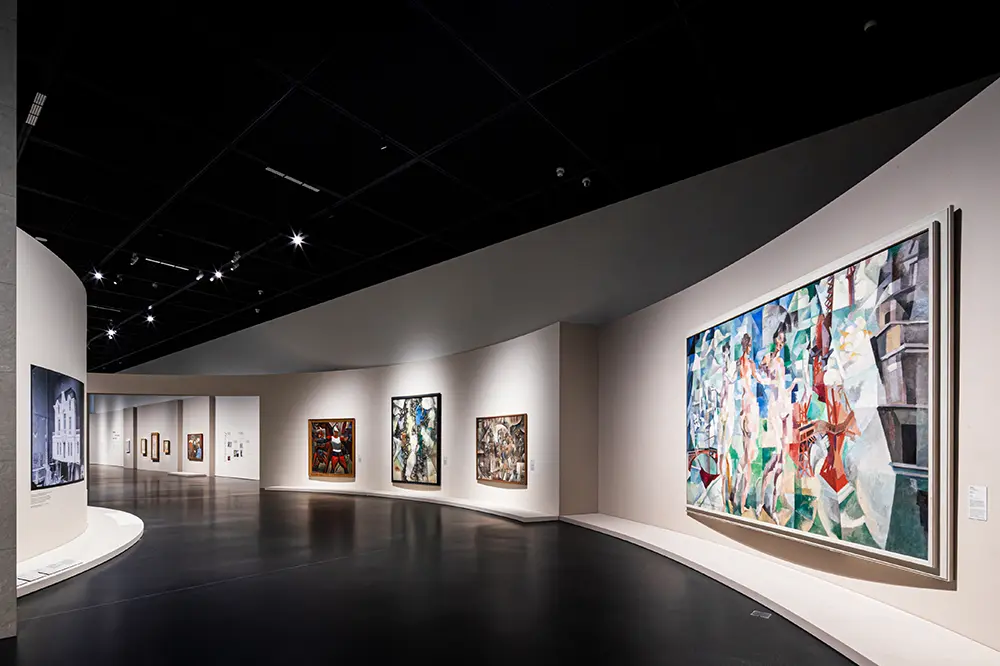
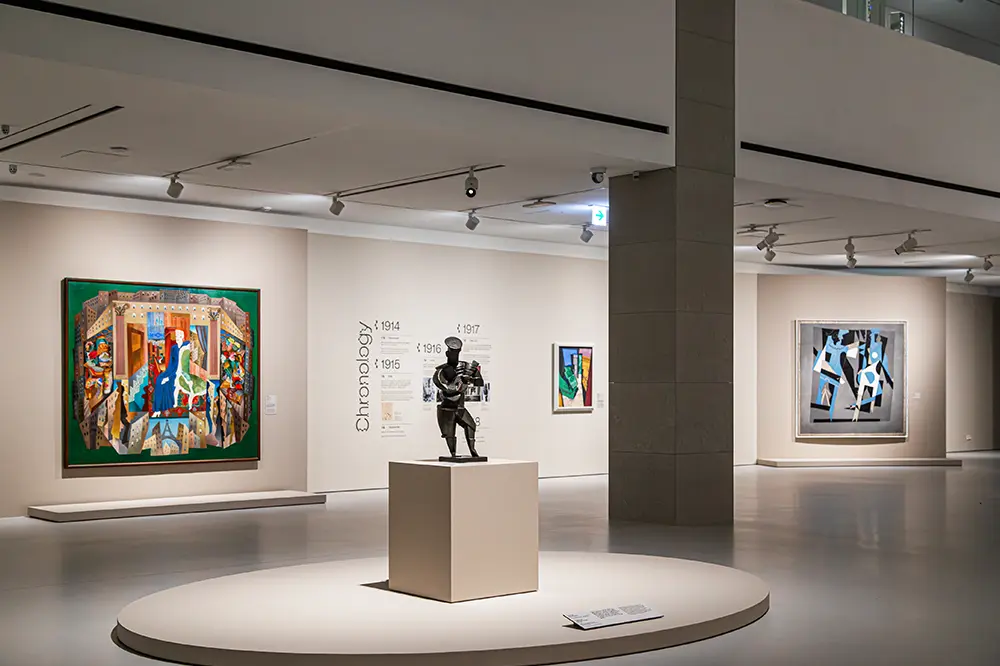
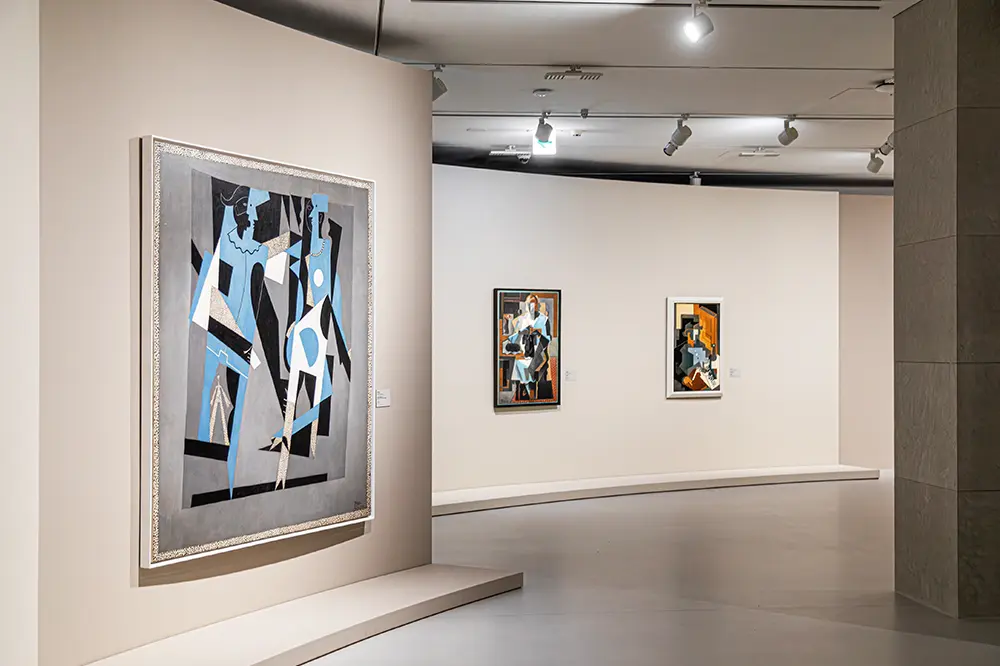
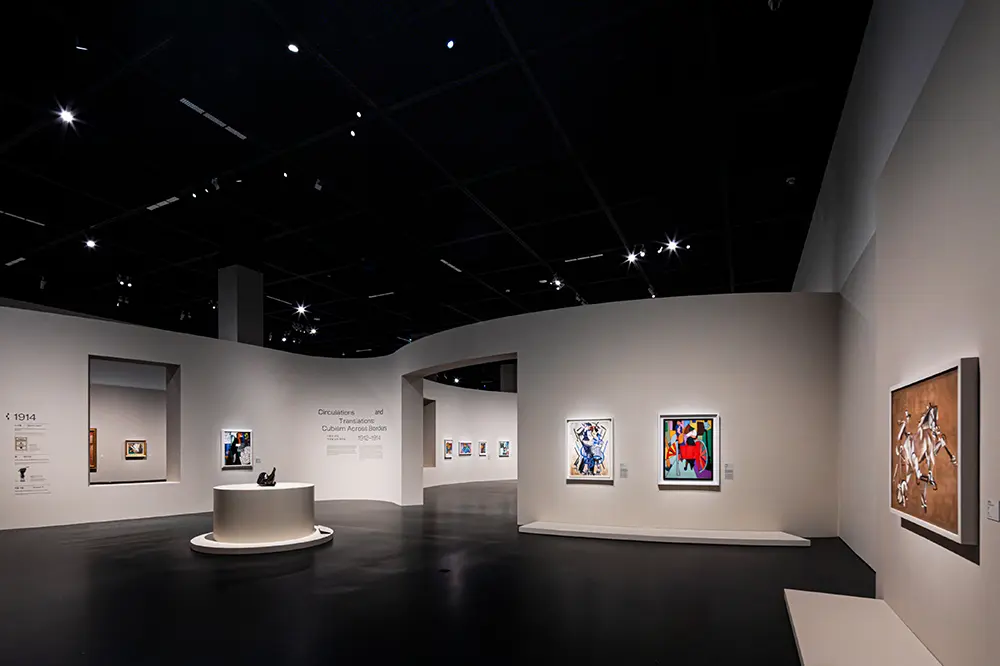
Centre Pompidou Hanwha is located at the base of 63 Building in Yeouido, Seoul’s financial district. The space has been designed by French architect Jean-Michel Wilmotte of Wilmotte & Associés as a translucent “box of light,” with a double-glazed envelope that draws daylight into the galleries and illuminates the building at night, and curving lines that echo traditional Korean roof tiles. Two dedicated galleries of around 1,500 square meters each will host two exhibitions a year drawn from the Pompidou’s collection alongside two original standalone exhibitions, and educational programming. The opening exhibition, “The Cubists: Inventing Modern Vision,” runs from June 4, 2026.
.
What does this mean for Seoul’s cultural landscape?
The venue strengthens Seoul’s position within the international circuit of major cultural capitals. It also reflects a willingness among Korean institutions and corporations to invest in cultural infrastructure with a long-term horizon, complementing public institutions such as the National Museum of Modern and Contemporary Art and a growing network of private museums.
Bottom line:
Centre Pompidou Hanwha brings one of the world’s most influential modern art institutions to Seoul under a partnership built for the long term. Centre Pompidou Hanwha will serve as a new cultural hub that extends beyond Korea into the world.
Related Content
Get the latest news about Hanwha, right in your inbox.
Fields marked with * are mandatory.
- Non-employee
- Employee