

The great American shipyard reset: How Hanwha and the U.S. are tooling up

On August 26, leaders gathered at Hanwha Philly Shipyard to christen the State of Maine, the third vessel in a federally funded mariner training program. The ceremony carried a broader message: Washington is signaling a return to serious shipbuilding and it’s looking for partners with the capacity and commitment to deliver.
That momentum continues to grow from April, when the White House called for a Maritime Action Plan to “restore America’s maritime dominance.”

Hanwha’s bet on U.S. shipbuilding
In December 2024, Hanwha acquired and rebranded Philly Shipyard. Since then, the company has launched a multi-year plan to modernize infrastructure, phase in automation and expand production beyond its current rate of building fewer than two ships per year. This strategy hinges on two key efforts: transferring core technologies from Korea and upgrading the shipyard’s physical and digital systems.
Technology transfer and system upgrades
How the knowledge transfer works
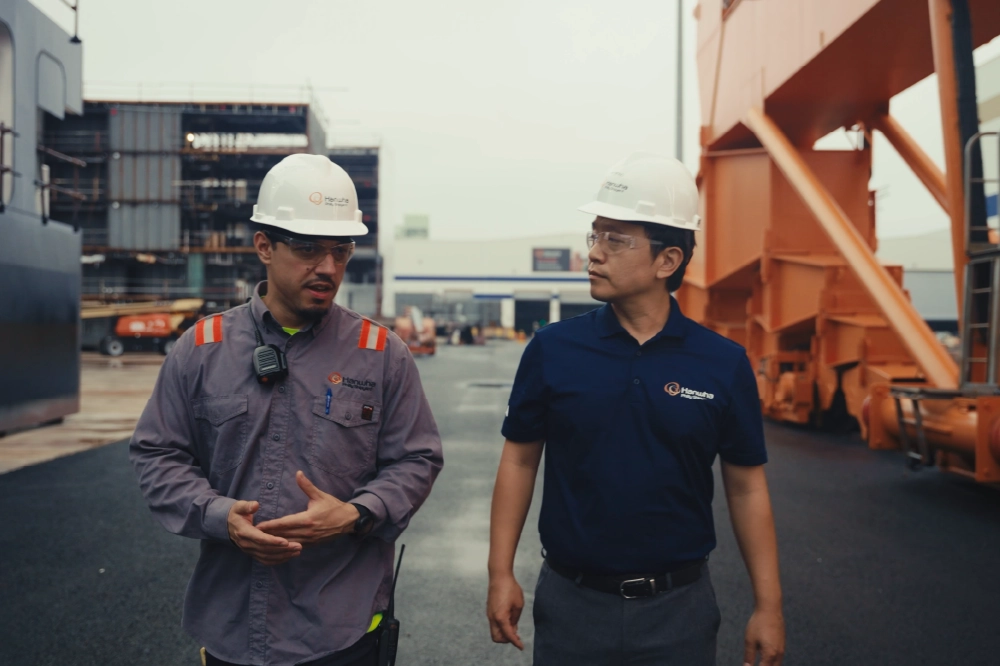
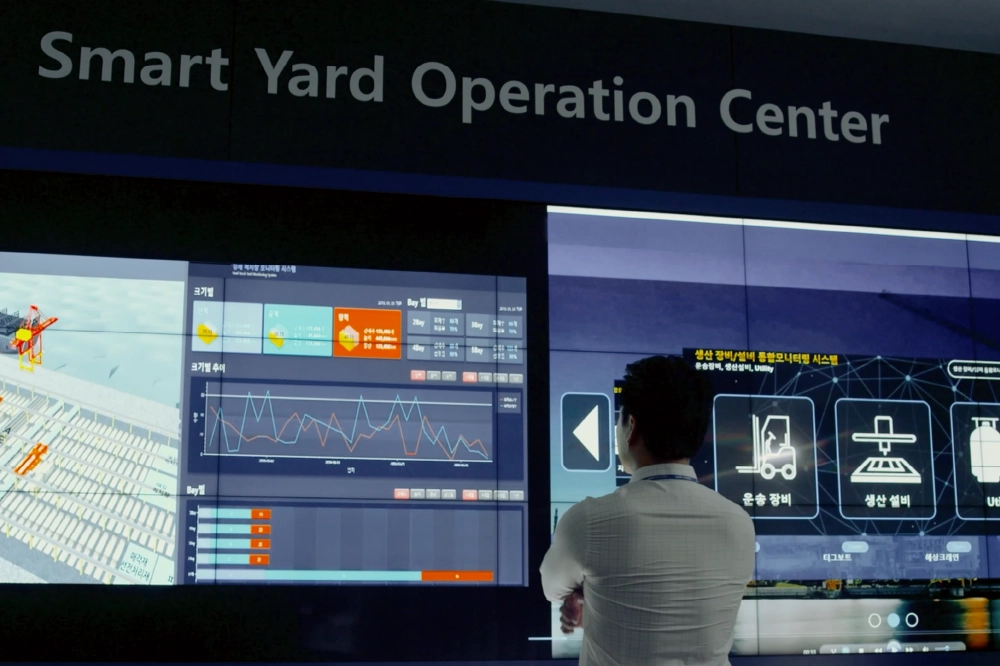
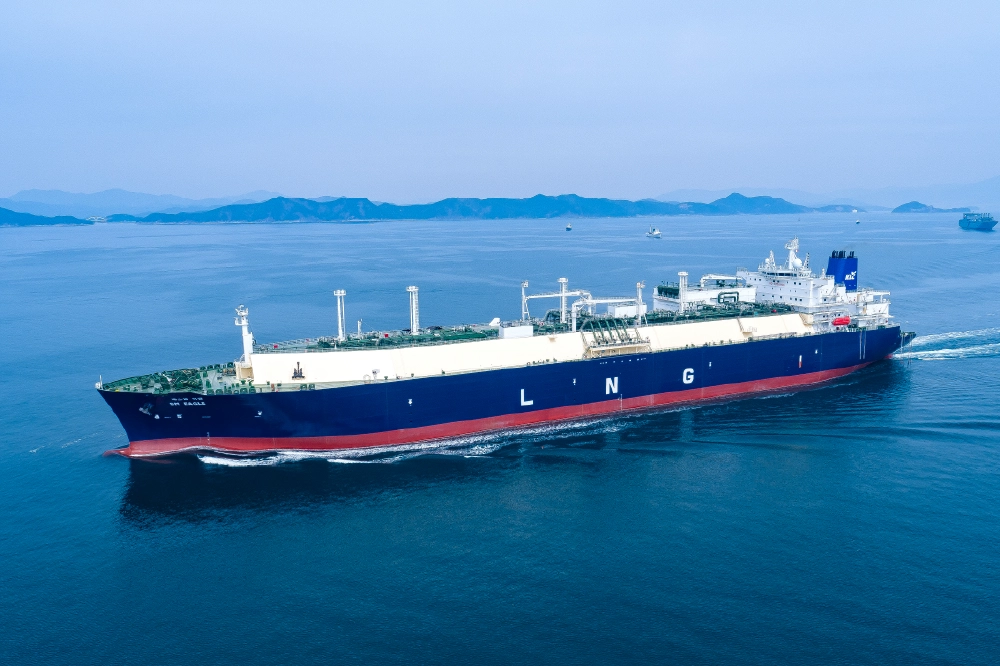
Hanwha Ocean, the world’s leading LNG carrier builder by orderbook, is working with Philly Shipyard to bring its production know-how to the U.S. That includes digital systems for shipyard operations, automated welding technology and modular construction techniques.
Hanwha Ocean’s effort to spearhead the advancement of digital shipbuilding has been in motion for some years. Since 2023, it has worked with the American Bureau of Shipping (ABS) under a strategic agreement to make strides in this field. The goal: cut build times, improve precision and raise throughput without compromising quality.
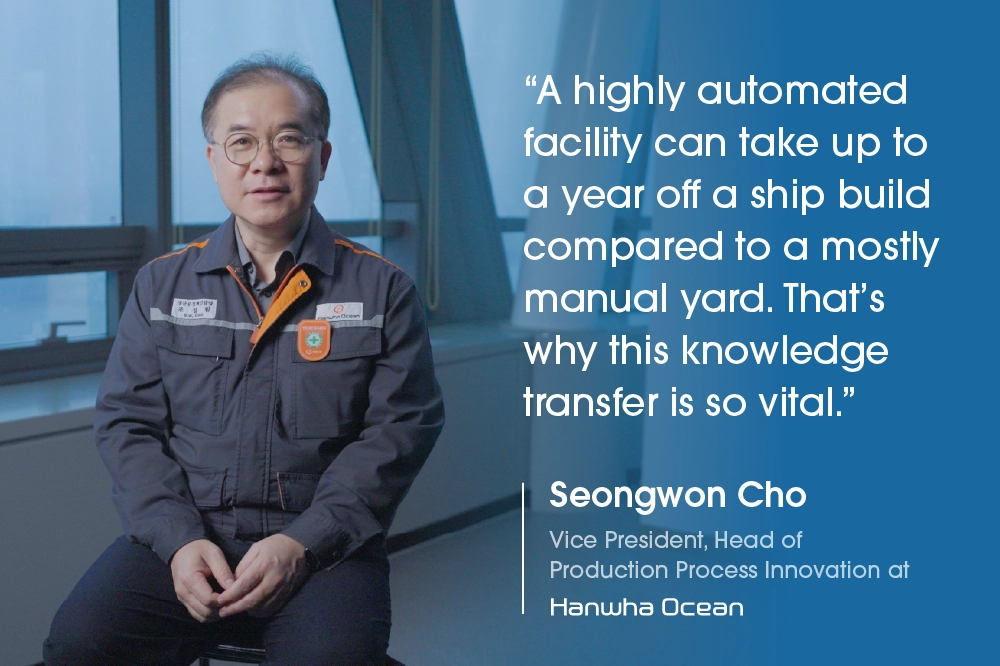
It’s a long-term process, but the work has already begun.

The first orders in a generation
In July 2025, Hanwha Philly Shipyard received its first order for a U.S.-built, export-ready LNG carrier from Hanwha Group’s shipping arm, Hanwha Shipping. It was the first such order in the U.S. in nearly 50 years. Hanwha Shipping exercised an option for a second LNG carrier in August. Deliveries are expected from around 2028 through a joint-build model with Hanwha Ocean.
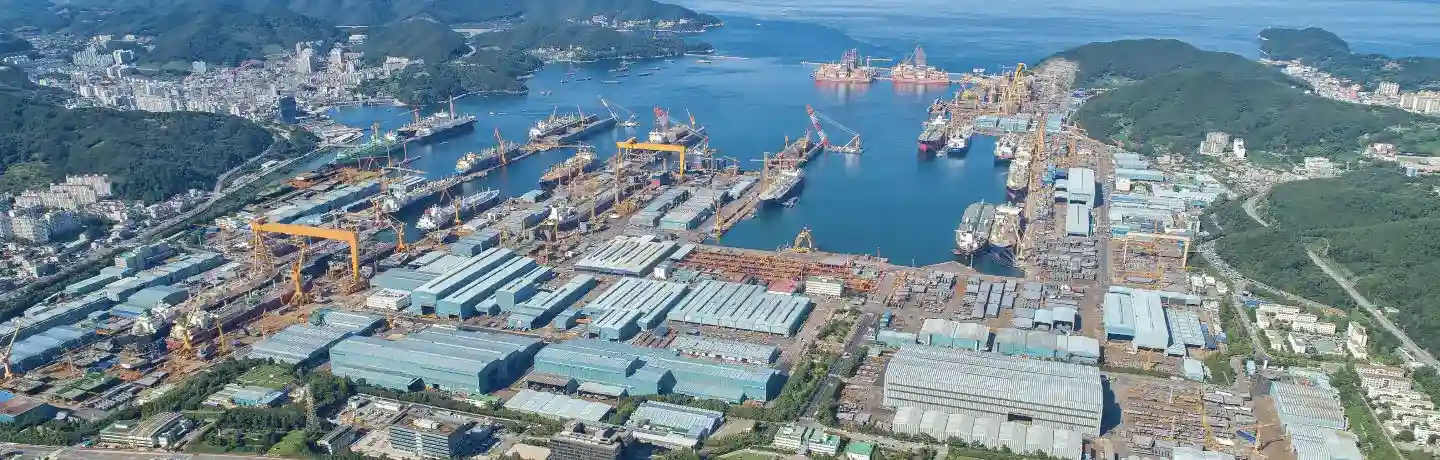
Beyond LNG, Hanwha Shipping has also ordered 10 medium-range tankers — used for oil and chemical transport — that is the largest U.S. commercial vessel order in more than two decades. The first ship is expected to launch in 2029. These orders will serve as a shipbuilding workforce demand signal and proving grounds for the technologies and systems being implemented in Philadelphia in conjunction with Hanwha Ocean’s Geoje Shipyard.
Building a yard for serial production
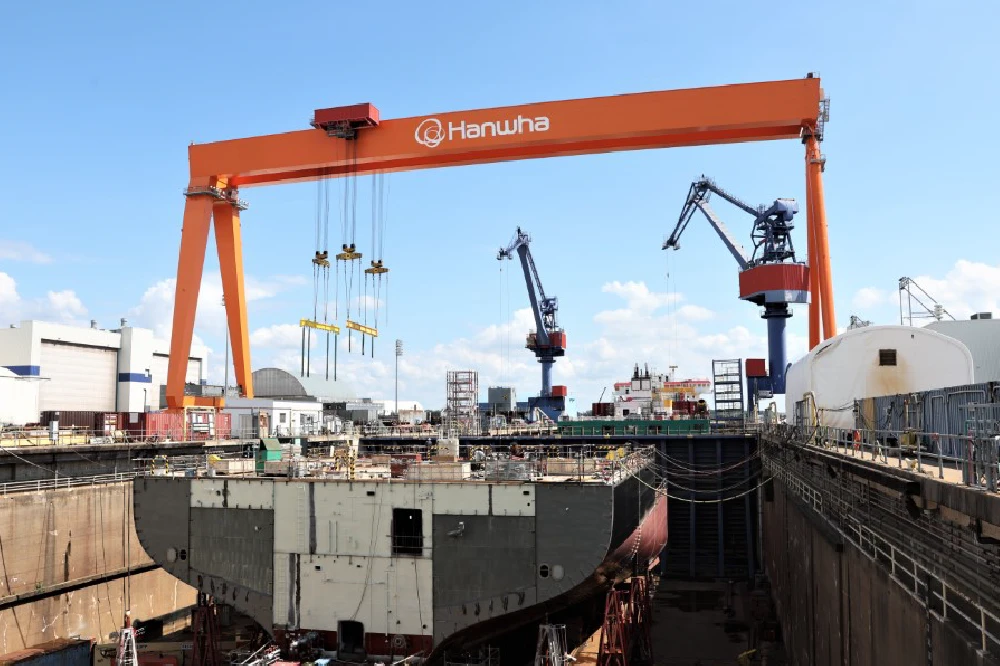
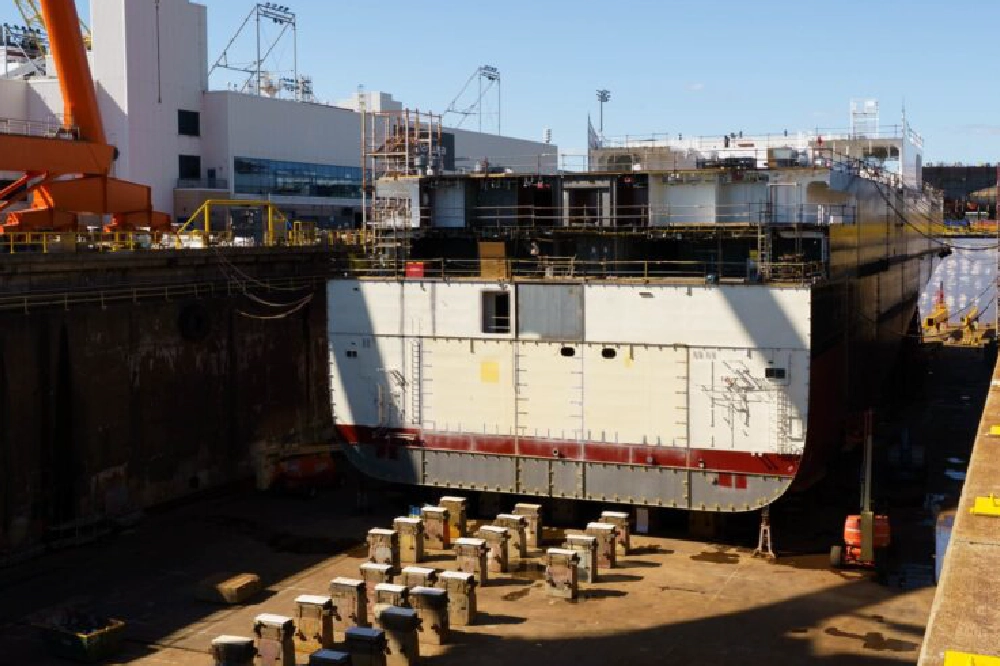
Hanwha’s modernization plan includes expanded dry docks and modular block-assembly facilities designed to support serial production. This would allow the yard to switch between Jones Act tankers, export-grade LNG vessels, and potential modules and full ships for U.S. Navy ships over time.
The roadmap is ambitious. Execution depends on sustained demand, U.S. regulatory compliance, and a trained, ready workforce.
Training the next generation
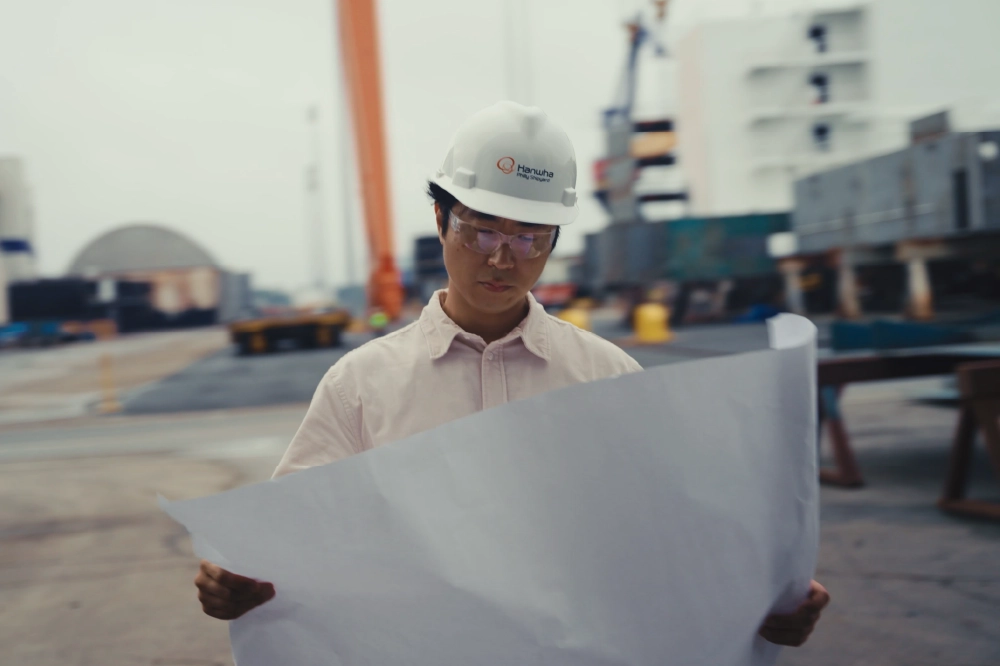
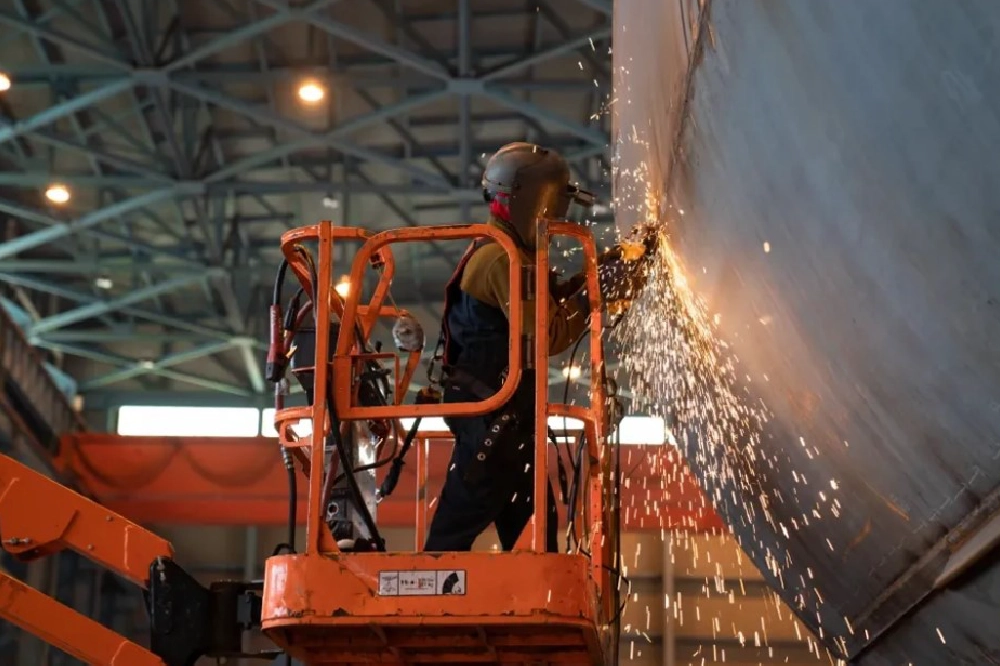
Hanwha Philly Shipyard is expanding its 39-month paid apprenticeship program to meet future demand. Trainees are learning core skills in welding, outfitting and shipbuilding as well as gaining experience on real production lines.
What comes next
Hanwha has completed U.S. Navy maintenance, repair and overhaul contracts and is exploring future newbuild opportunities. But the short-term focus is clear: upgrade facilities, implement automation, and build a steady pipeline of trained workers.
Philadelphia is one of the few U.S. sites with the physical footprint, industrial legacy, and strategic investment to take on that challenge. Hanwha’s long game is to make it a center of gravity for modern U.S. shipbuilding.
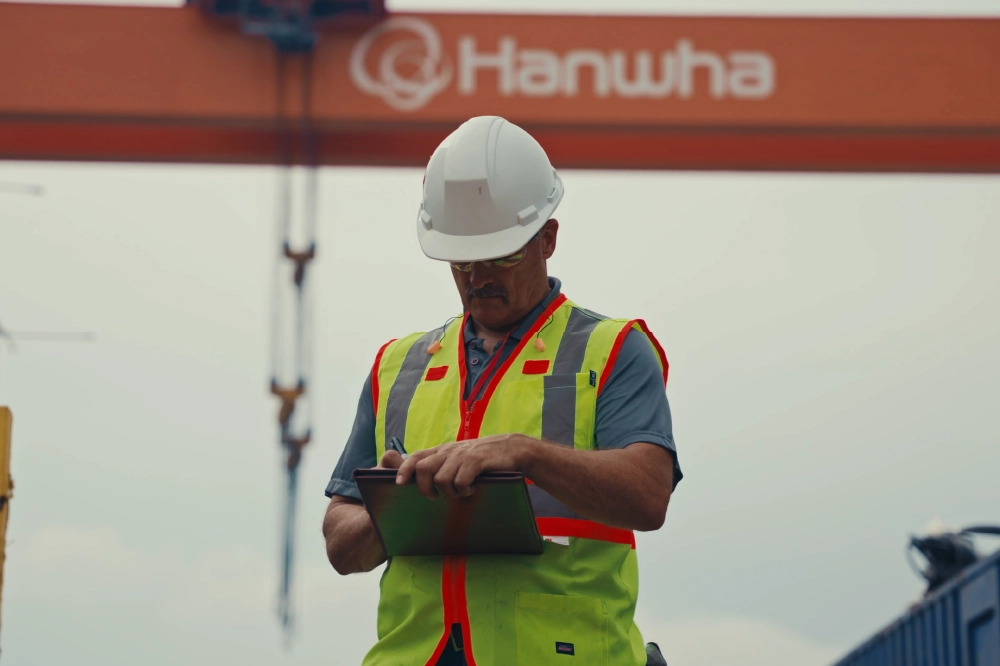
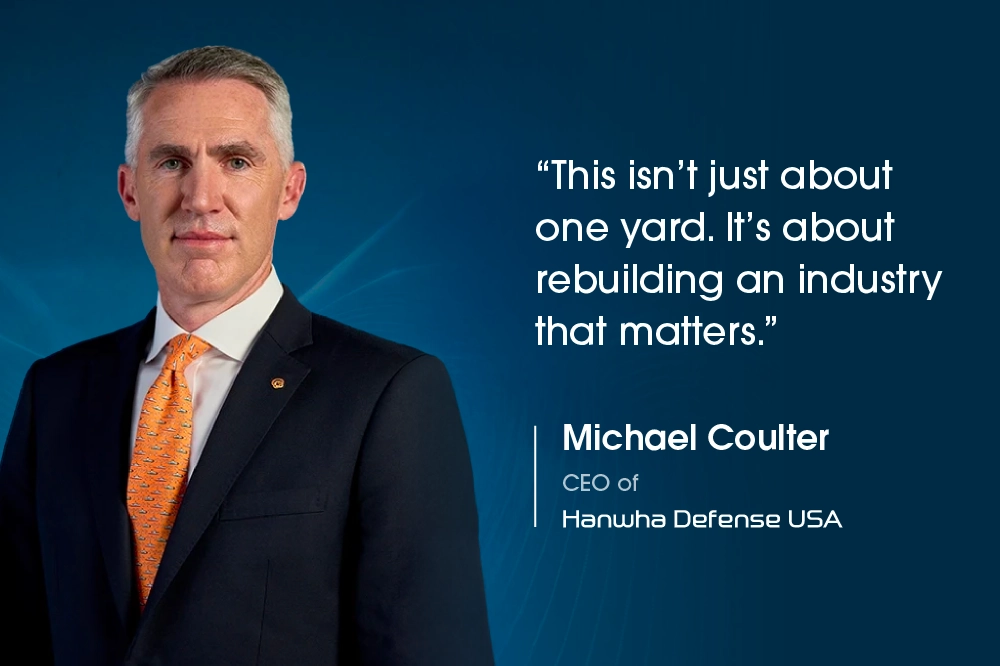
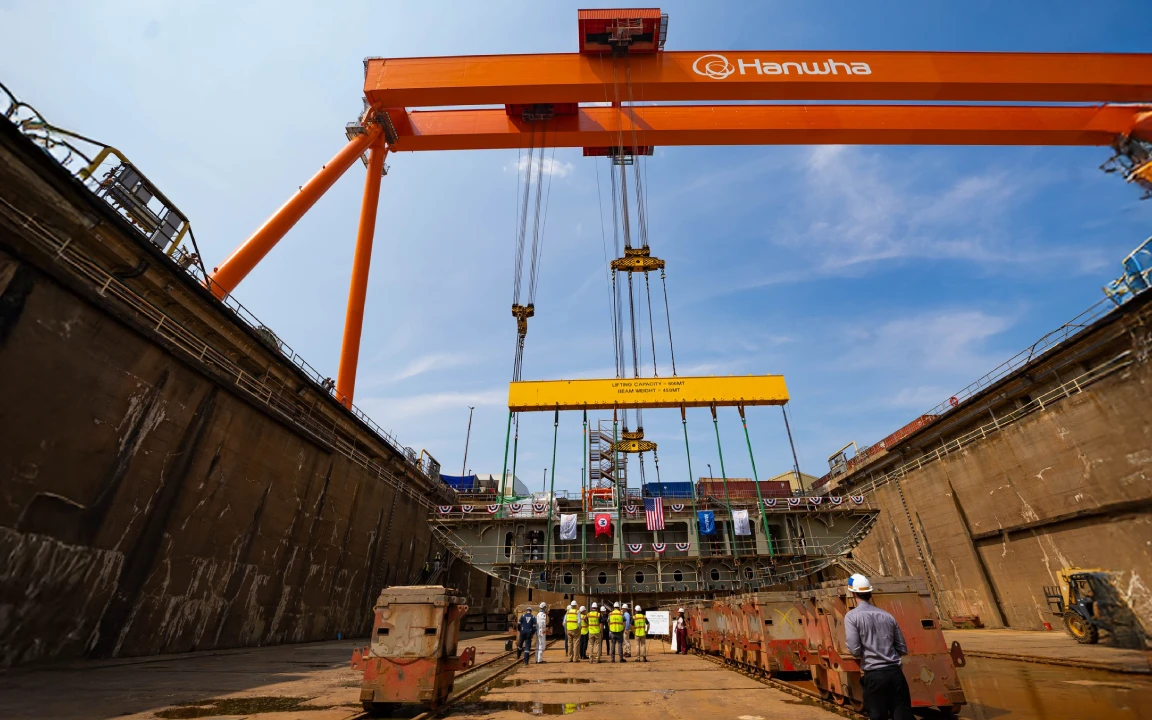
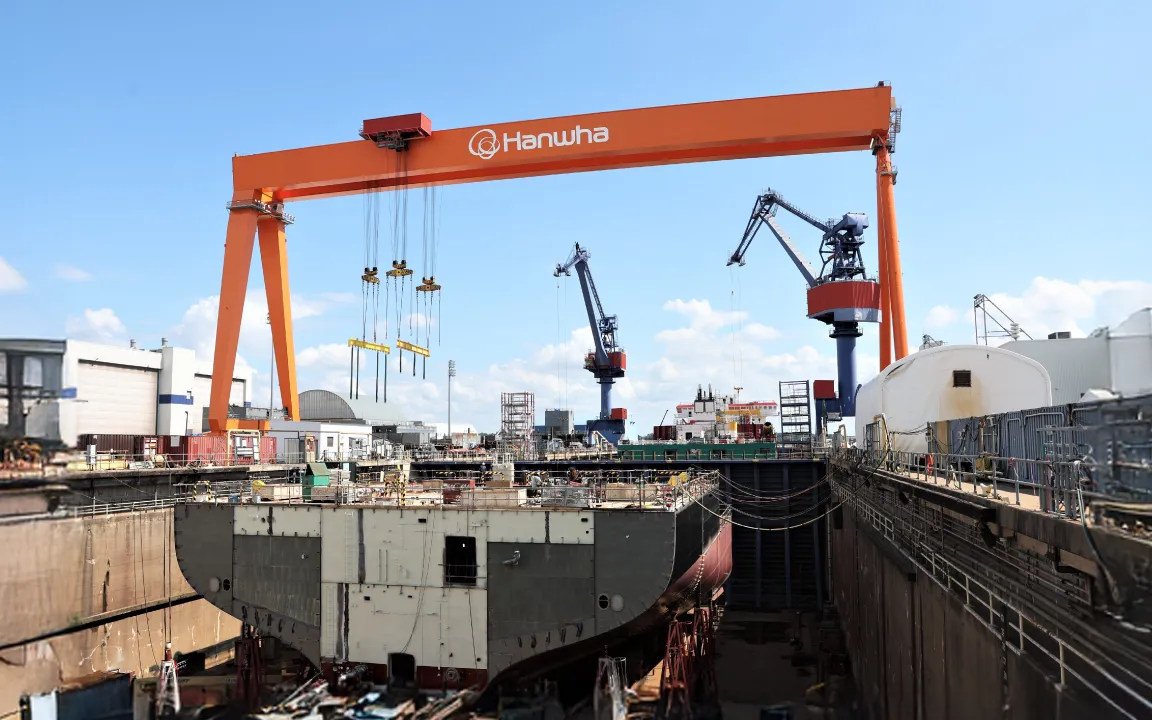
Work is underway at Hanwha Philly Shipyard

This content was produced in partnership with CNBC.
Courtesy of CNBC Catalyst, the commercial division of CNBC International. All rights reserved
Related Content
Get the latest news about Hanwha, right in your inbox.
Fields marked with * are mandatory.
- Non-employee
- Employee