

Canada’s submarine renewal: What will it take to deliver?
• Canada’s submarine fleet is approaching a generational transition, driven by aging assets and evolving maritime requirements.
• Hanwha Ocean combines proven submarine experience, active production capacity, and the scale of Hanwha Group to support long-term delivery and sovereign sustainment.
• Delivering next-generation submarine programs requires industrial partners capable of managing complex production, timelines, and lifecycle support.
The big picture:
Submarines play a central role in modern defense strategy, providing stealth, endurance, and deterrence across vast maritime environments. However, many of the world’s submarines were built decades ago and are approaching retirement, leading nations to prioritize vessel renewal programs.
For countries like Canada, with vast coastlines across multiple oceans, ensuring continued undersea capacity is paramount.
But complex, costly vessel renewal programs present a challenge: how do you replace and modernize a highly specialized fleet within defined timelines, while ensuring long-term operational readiness?
Meeting the challenge depends not only on platform capability, but on partners that can deliver vessels at scale, on schedule, and with integrated sustainment support.
Experienced providers such as Hanwha Ocean, strengthened by the scale and cross-industry integration of Hanwha Group, are positioned to meet the industrial and delivery needs of modern submarine procurement.
What's driving the renewal?
Beyond fleet lifecycle timelines, Canada’s submarine renewal is being shaped by its unique geographic and strategic environment.
In the Arctic, melting sea ice is a concern — opening new navigational corridors that could increase strategic activity in previously inaccessible waters.
Alongside these evolving demands, the Royal Canadian Navy’s Victoria-class submarines are expected to reach the end of their service life in the mid-to-late 2030s, creating a defined timeline for replacement.
Maintaining naval readiness is critical for monitoring maritime approaches, safeguarding critical infrastructure, and supporting allied operations.
Avoiding a capability gap requires early procurement decisions, particularly given the long lead times associated with submarine design and construction.
What do the numbers say?
The global submarine market is projected to grow from $26.39 billion in 2025 to $33.35 billion by 2031, while only a limited number of shipyards worldwide specialize in submarine construction.
The Canadian Patrol Submarine Project (CPSP) envisions up to 12 new conventionally powered submarines, with first delivery required in the mid-2030s, leaving little margin for delay.
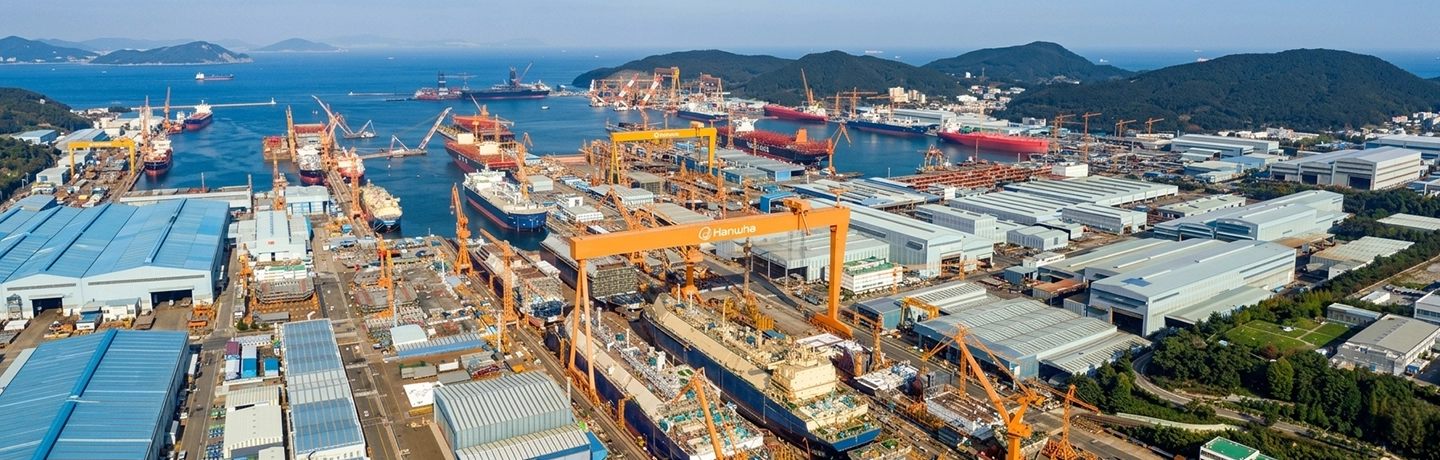
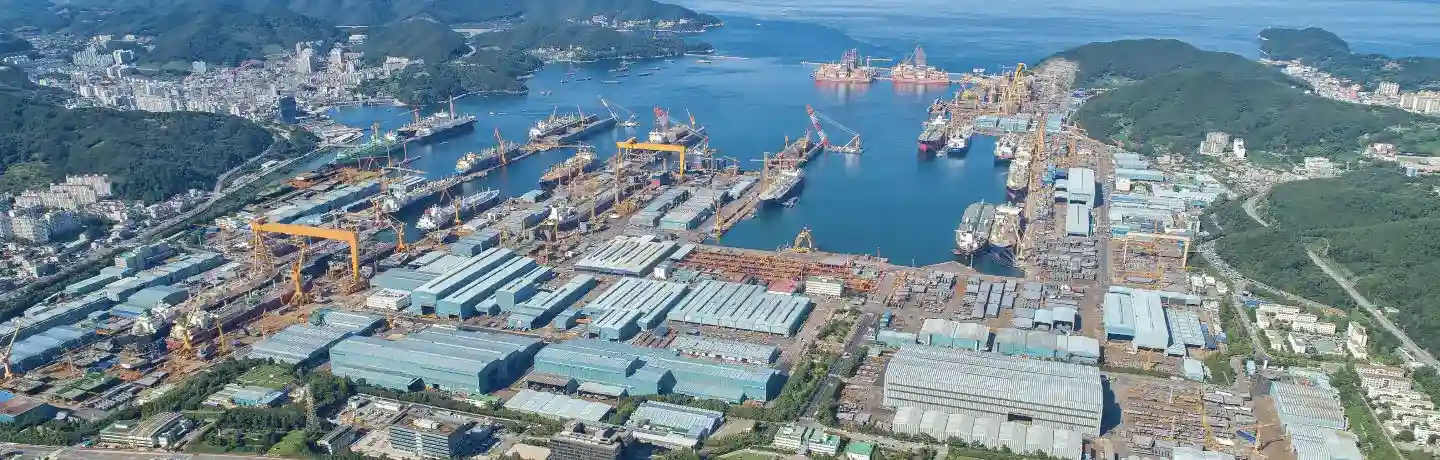
Backed by Hanwha Ocean’s Geoje shipyard, which employs more than 31,000 personnel and has the capacity to produce multiple submarines annually, Hanwha’s approach to CPSP combines local partnerships, technology transfer, and in-country sustainment, supporting approximately 22,500 jobs annually through 2044, according to projections by KPMG.
Why is Hanwha Ocean well positioned to deliver?
Delivering modern submarines requires integrating advanced propulsion, battery, and combat systems into highly complex platforms.
Execution challenges include:
- Multi-year systems integration
- Specialized workforce continuity
- Secure supply chains
- Long-term sustainment and modernization requirements
First-delivery timing is critical. Delays can create operational gaps and increase lifecycle costs, particularly when fleet retirement timelines are fixed.
Hanwha Ocean’s operating model emphasizes in-service, in-production systems supported by active build lines, prioritizing delivery certainty, lifecycle continuity, and sustainment capability.
What’s needed for long-term success?
Executing next-generation submarine programs requires alignment across production, delivery, and sustainment. Three structural factors are likely to define success:
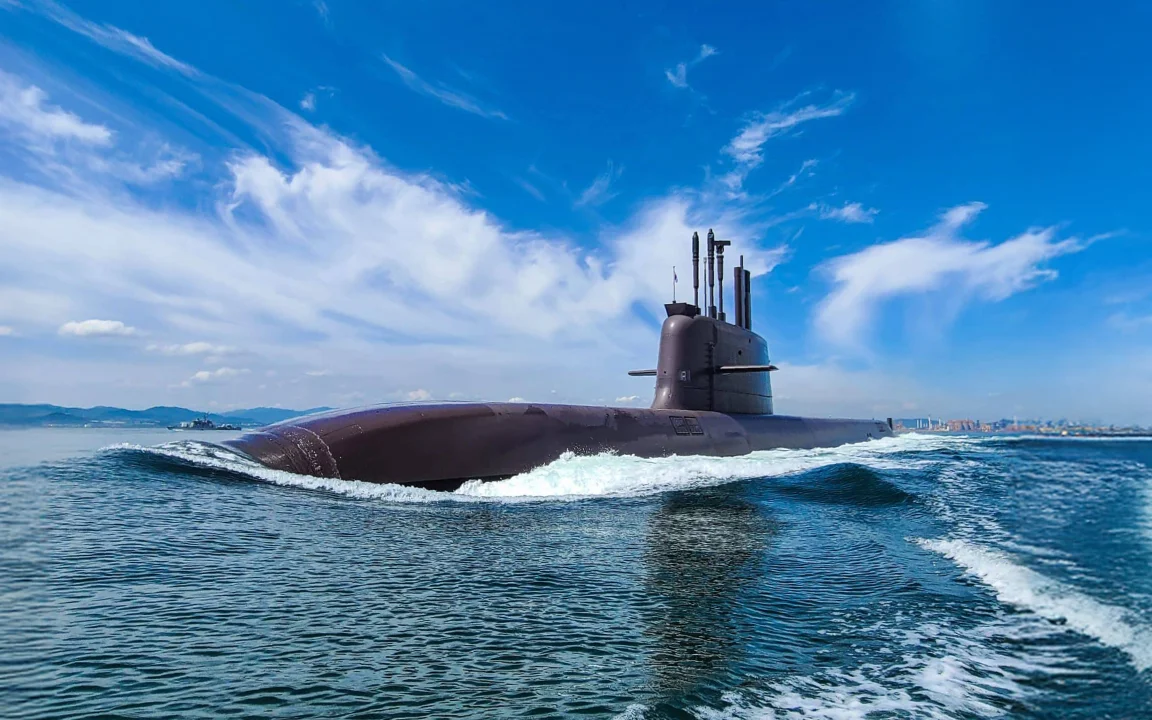
First, production readiness and delivery discipline. Programs that combine proven design maturity, stable production environments, and integrated delivery experience can reduce integration risk and strengthen confidence in timelines. Experience with in-service platforms can further support this by providing real-world insight — Hanwha Ocean’s KSS-III submarine is already operational, reinforcing schedule credibility in long-cycle programs.
Second, industrial scale and financial stability. Submarine programs span decades, requiring partners with the scale to absorb supply chain volatility and sustain workforce continuity. With diversified operations across defense, energy, advanced manufacturing, and finance, Hanwha offers long-term production capacity and resilience.
Third, sovereign sustainment and domestic partnership. Modern procurement increasingly relies on long-term industrial networks — local suppliers, workforce development programs, and infrastructure to maintain vessels throughout their lifecycle.
Bottom line:
For Canada, the success of CPSP will depend on aligning procurement timelines with proven delivery capability, industrial scale, and long-term sustainment planning.
Programs of this magnitude require partners like Hanwha Ocean that are capable of delivering foundational maritime systems at scale, supported by integrated solutions and strengthened industrial resilience.
Related Content
Get the latest news about Hanwha, right in your inbox.
Fields marked with * are mandatory.
- Non-employee
- Employee