

Davos 2026: How dialogue shaped this year’s World Economic Forum

• Davos 2026 focused less on new pledges and more on delivery, as global challenges become increasingly interconnected.
• Execution emerged as the central challenge, with progress hinging on alignment across policy, infrastructure, technology, and investment.
• Examples such as net-zero shipping show how coordination across value chains is essential to moving from ambition to implementation.
The World Economic Forum 2026 unfolded at a critical juncture for global cooperation, against a backdrop of strained coordination and mounting pressures on growth. As geopolitical tensions persist and economic, technological, and energy systems become more tightly interlinked, this year’s meeting focused on turning shared understanding into coordinated, tangible action across geopolitics, growth, innovation, and energy.
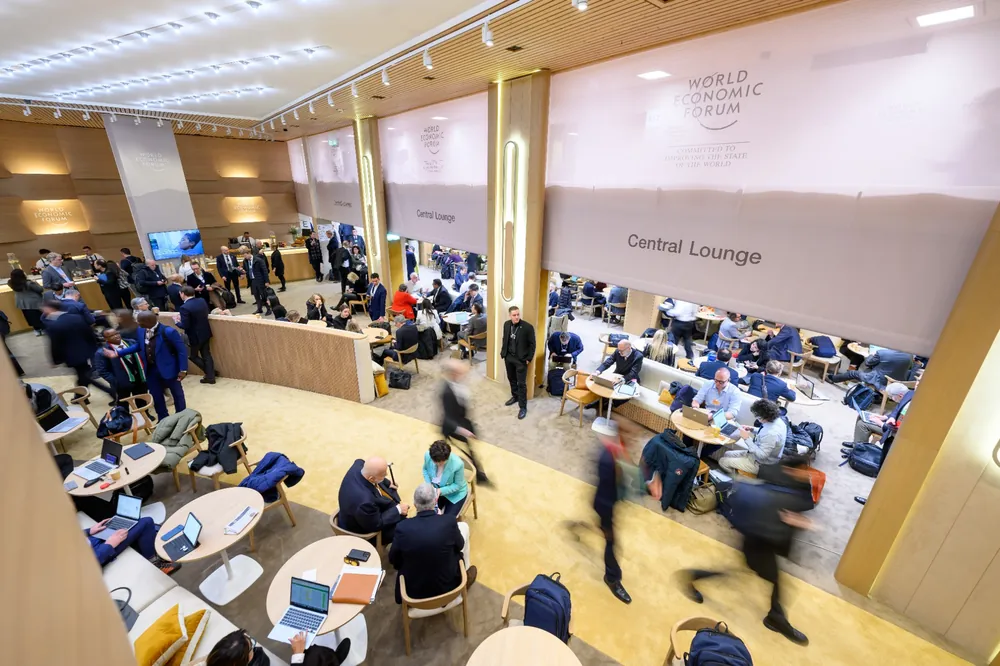
Held in Davos from January 19 to 23, the Forum brought together close to 830 of the world’s top CEOs and chairs and over 60 heads of state and government, including a record-large U.S. delegation. Reflecting the breadth of systemic challenges under discussion, it encompassed priority themes such as cooperation in a contested world, unlocking new sources of growth, investing in people, deploying innovation responsibly, and building prosperity within planetary boundaries.
Framed by a central theme of “A Spirit of Dialogue,” these discussions highlighted how policies in one region increasingly carry implications across supply chains, markets, and infrastructure elsewhere. In such an environment, the challenge facing governments and businesses today is less about setting direction than about aligning systems to support delivery.
Execution at scale takes center stage at Davos 2026
Across sessions, the question of execution remained a consistent thread. Despite world leaders highlighting geoeconomic confrontation and climate-related challenges as the most pressing risks over the next decade, progress across technological deployment and energy security continues to face constraints because of differences in regulation, infrastructure readiness, and system design. Discourse at Davos reflected growing attention on how these factors interact, and how gaps between intent and delivery can be narrowed.
Discussions also pointed to the role of coordinated demand in supporting execution at scale. A World Economic Forum analysis highlighted the First Movers Coalition as an example of how collective purchasing commitments are being used to help accelerate deployment in hard-to-abate sectors.
The coalition currently brings together 101 companies, which have pledged a combined $19 billion in purchasing commitments by 2030 across mobility sectors such as aviation, shipping, and trucking, as well as materials including cement and concrete, steel, aluminum, and carbon dioxide removal. The example is one illustration of how cross-sector and cross-border alignment on demand can help reduce uncertainty for emerging technologies and support progress from ambition toward implementation.
Global challenges become increasingly interconnected
Davos 2026 underscored how difficult it has become to separate issues such as energy security, economic growth, and geopolitical stability. Decisions made in one domain increasingly create ripple effects across others, reinforcing the need for a more integrated approach to policymaking and strategy.
This growing interdependence highlighted the limits of addressing global challenges through isolated policies. Energy security discussions, in particular, examined how supply chains, infrastructure investment and decarbonization efforts are increasingly intertwined, requiring coordination across energy systems, transport networks, and industrial activity. Rather than focusing on standalone solutions, these conversations illustrated how progress in one area depends on alignment across the global system.

Execution challenges across interconnected systems
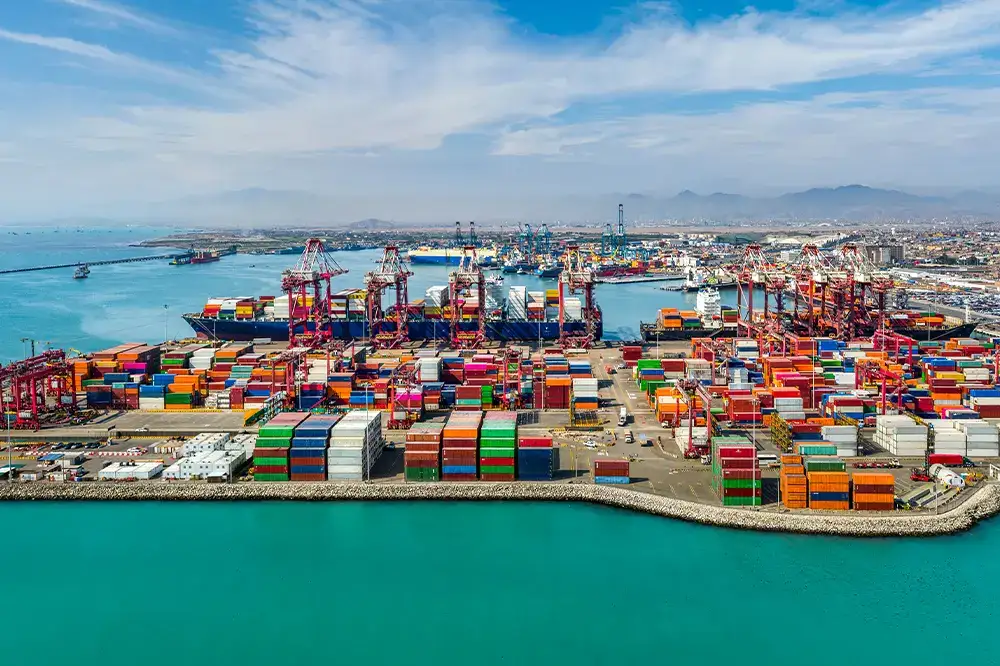
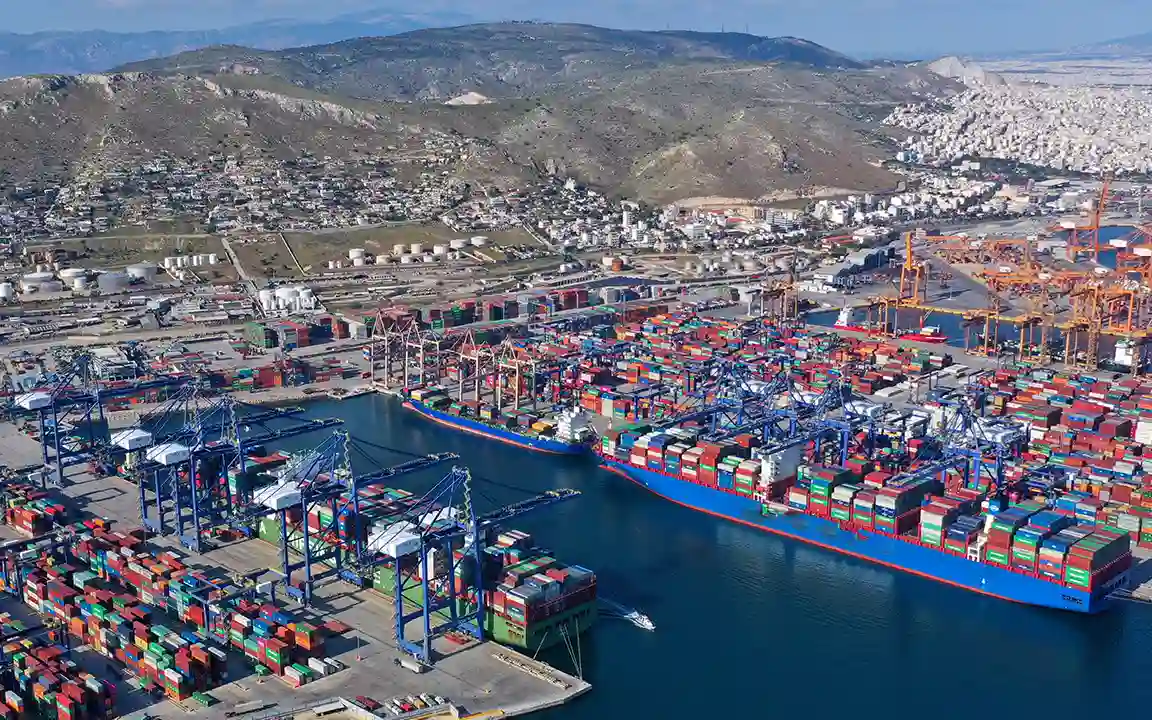
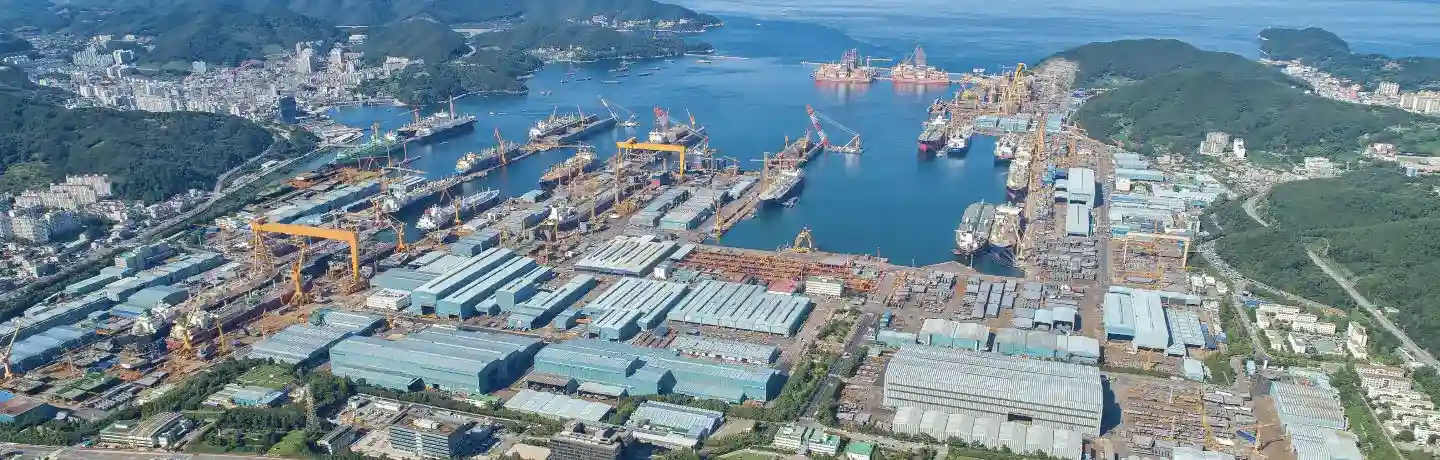
Net-zero shipping offers a practical example of the coordination required to translate global climate ambitions into implementation. Progress in this area depends on alignment across regulation, vessel technology, port infrastructure, and energy supply — each of which operates under different constraints and timelines.
Ahead of the Forum, Dong Kwan Kim, Vice Chairman of Hanwha Group, outlined these challenges in a contribution to the World Economic Forum website. Kim discussed how achieving zero-emission electric shipping requires a holistic change across the entire maritime value chain. He emphasized the importance of public-private collaboration and highlighted key elements of this transition, including electric ships, energy storage systems, port-based charging infrastructure, and access to cleaner energy.
Implementing steps toward realizing maritime decarbonization reflects a broader Davos theme: that delivering change at scale increasingly depends on alignment across industries and value chains. Advancements in one area are difficult to sustain without corresponding progress elsewhere, reinforcing the role of multilateral alignment in supporting effective execution. Across the maritime value chain, Hanwha is engaged in the development and application of decarbonization technologies, including alternative fuels, energy storage, and clean propulsion solutions, reflecting its involvement across both shipbuilding and energy-related domains.
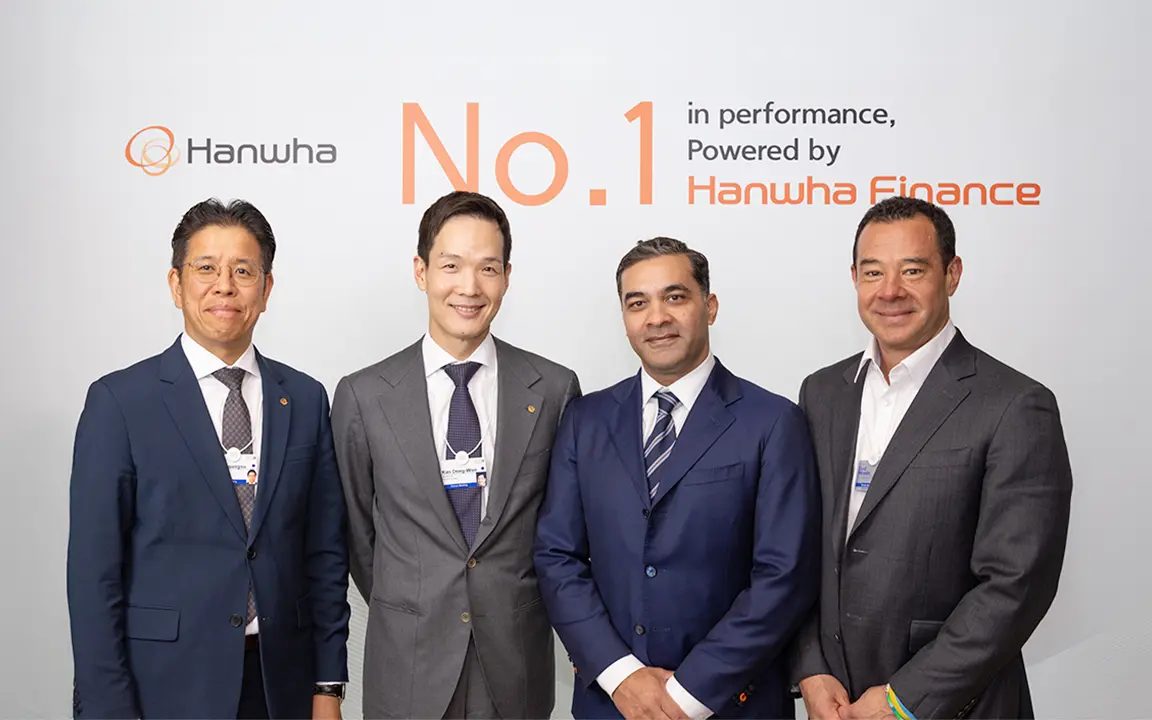
Elsewhere, similar execution challenges were explored in discussions on financial innovation, where participants examined how cross-border collaboration and regulatory alignment could support more resilient digital financial systems — a focus reflected in Hanwha Finance’s engagements with global partners at Davos.
Dialogue as a mechanism for coordinated global action
Davos 2026 highlighted how the challenge facing global leaders is no longer a lack of shared ambition, but the difficulty of converting alignment into delivery. Across discussions on geopolitics, growth, innovation, and energy, speakers returned to the need for coordination across systems — from policy and finance to infrastructure and technology — to narrow the gap between intent and execution.
Related Content


Get the latest news about Hanwha, right in your inbox.
Fields marked with * are mandatory.
- Non-employee
- Employee