

Hanwha’s year in review 2025
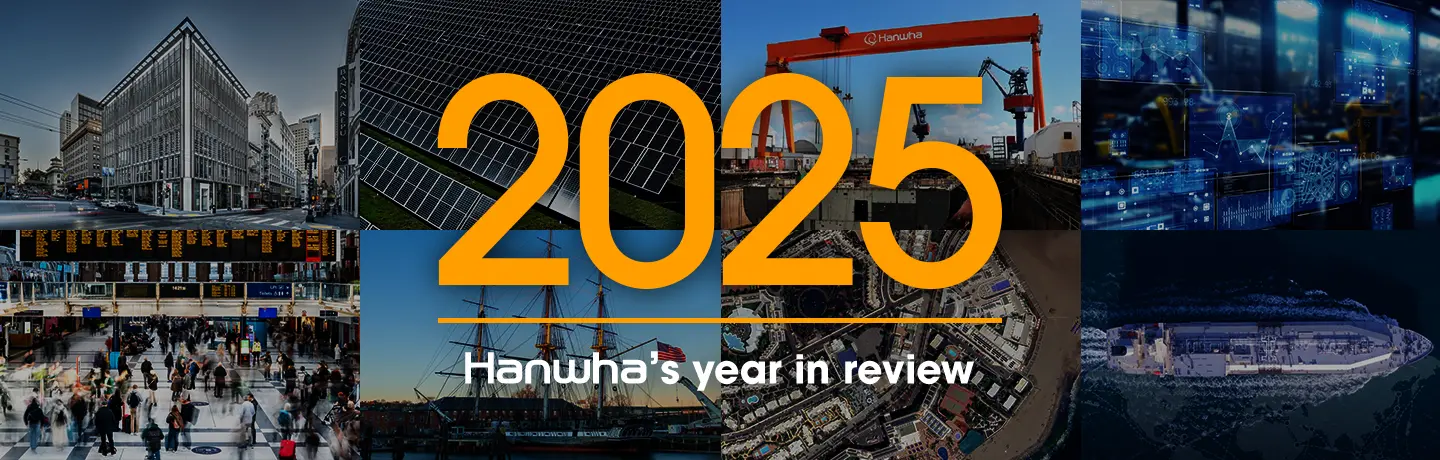
In 2025, Hanwha advanced its role as a global partner for resilience, strengthening critical industries amid rising technological, economic, and energy pressures. On land, at sea, and in space, the company focused on advancing innovation across key sectors: applying intelligent technologies, modernizing infrastructure, and expanding capabilities to help build more stable and adaptable systems.
Shaped by rising automation, advanced energy solutions, and rapidly evolving global demands, this year's top stories showcase the Group’s work toward building a more connected, resilient global landscape.
Let's take a look back at the achievements that defined 2025.
Top 6 most viewed stories of 2025
From finance to shipbuilding, manufacturing, and defense, this year’s most-viewed stories illustrate how AI, automation, and digital transformation shaped Hanwha’s work across its core industries.
One of this year’s most-read stories explored the role of AI in finance, examining how automated systems can improve risk modeling, strengthen portfolio optimization, and improve decision-making across financial services. Hanwha’s approach emphasized transparency, research-driven development, and close collaboration with academic and industry partners, helping ensure AI tools remain ethical, reliable, and aligned with long-term financial stability.
This focus on AI aligned with discussions at Davos 2025. As world leaders met under the theme “Collaboration for the Intelligent Age,” Hanwha unpacked how the rise of smarter technologies is influencing industrial and economic priorities. The company’s perspective underscored the growing presence of AI across sectors, reflecting a broader shift toward data-driven strategies.
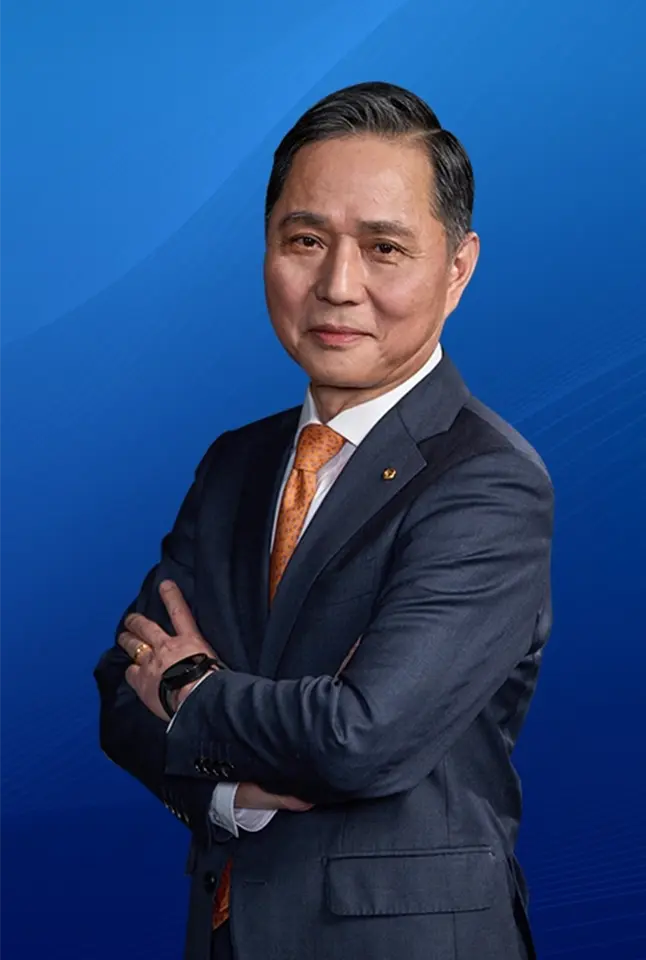
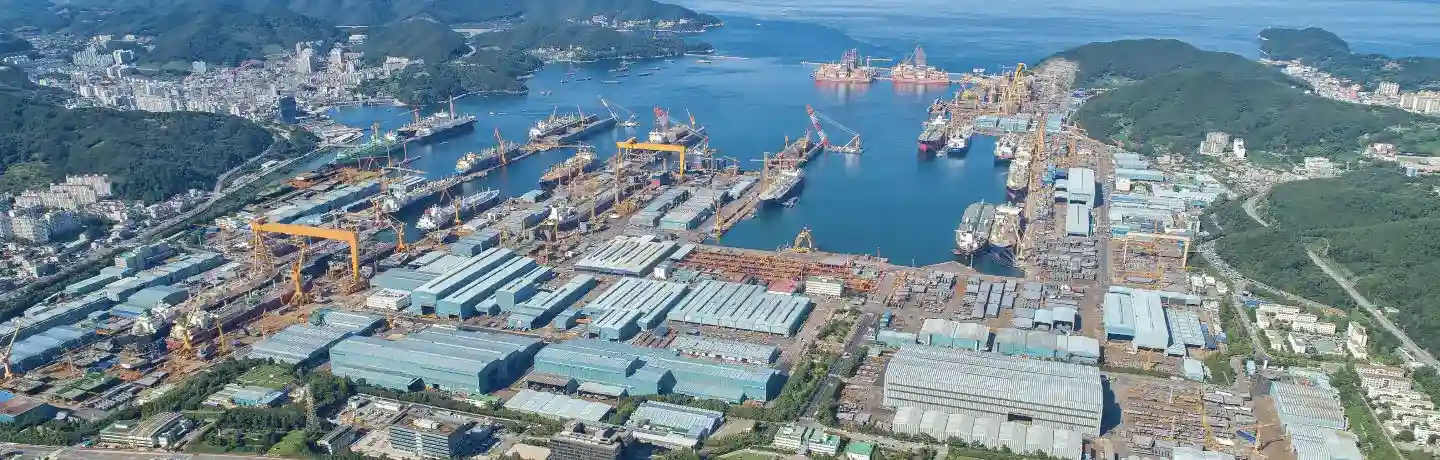
In the maritime industry, insights into Hanwha’s shipbuilding expertise highlighted how advanced engineering, shipyard modernization, and emissions-reducing technologies are supporting economic and energy security. This perspective was expanded in the “Envisioning the Future” series, where Young-chang Shon, CTO of Hanwha Ocean, outlined how the company’s roadmap pairs near-term carbon-reduction measures with longer-term plans for flexible, decarbonized shipping. As maritime capability also emerged as a strategic priority for the U.S., Hanwha’s shipbuilding strengths were showcased further, using planned upgrades at Hanwha Philly Shipyard to illustrate how innovation, expanded manufacturing capacity, and modern production can support industrial strength, security, and naval readiness.
Rounding out the top stories was Hanwha’s analysis of wider manufacturing trends for 2025, which explored how industries are adapting to change. The coverage noted growing interest in automation, AI-enabled production, supply chain flexibility, and new energy solutions — showing how digital capability and smarter energy use are becoming central to future-ready operations.
Together, these stories highlight how Hanwha is steering the development of next-generation solutions across multiple sectors.
Take a closer look at the ideas and developments that defined Hanwha’s key advancements in 2025 below.
Explore the top 6 stories and series of 2025
-
-

-
How Hanwha is shaping the future of AI in finance
-
-
-

-
Davos 2025: The Intelligent Age is here — but what does it mean?
-
-
-
-
Envisioning the future of shipbuilding with Hanwha Ocean CTO Young-chang Shon
-
-
-
-
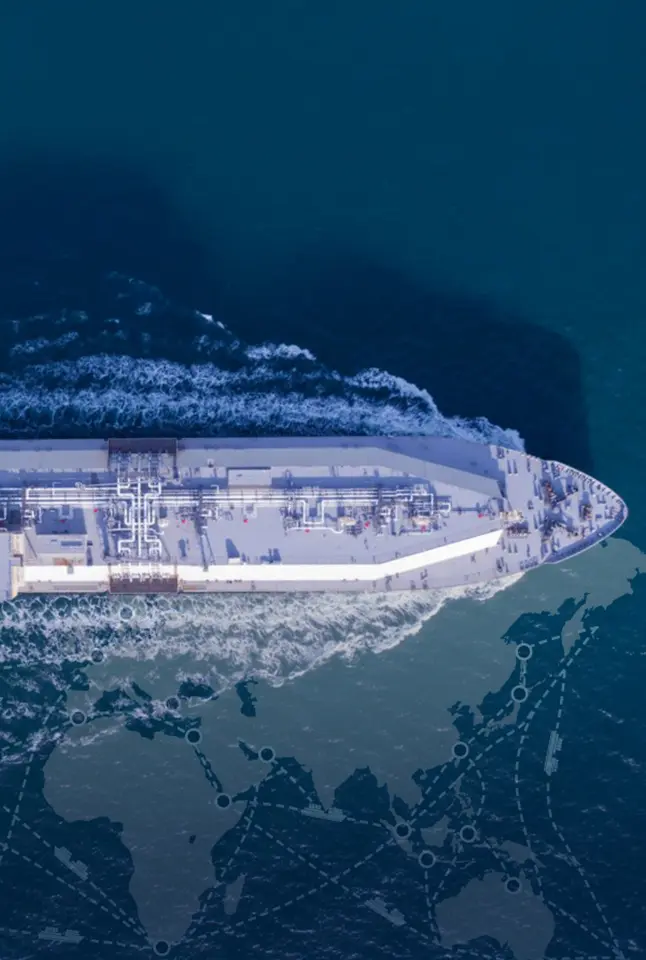
What's in a number: 6 insights into Hanwha’s shipbuilding expertise
-
-
-

-
Restoring America’s maritime power
-
-
-

-
Manufacturing trends for 2025: AI, automation, supply chains, and energy
-
Editor's picks for 2025
Beyond this year’s most-read stories, a number of other milestones defined Hanwha’s progress across its diverse portfolio.
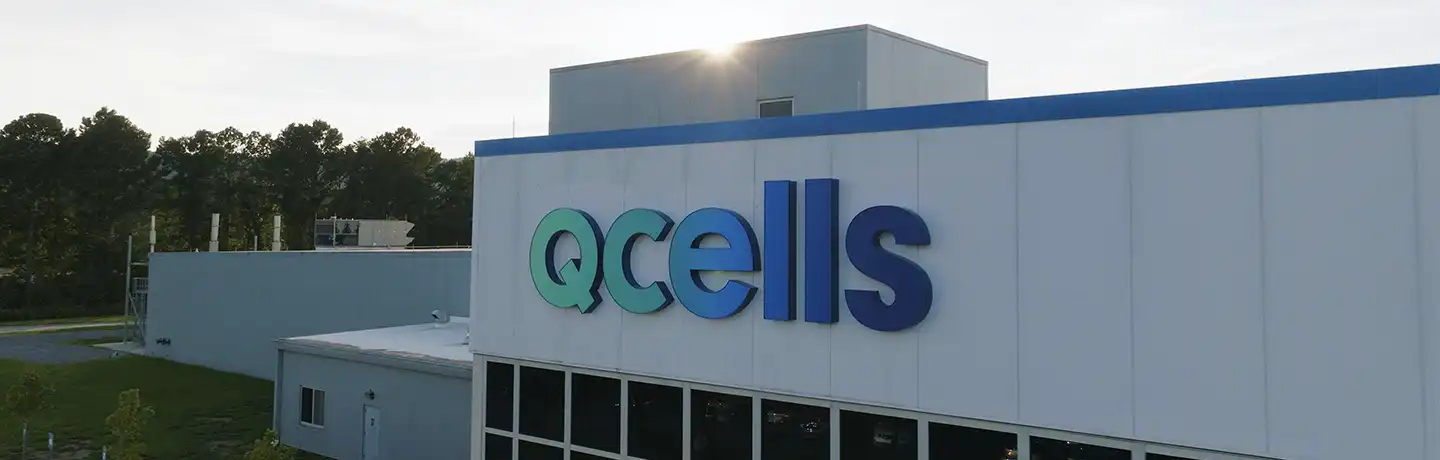
One of the most exciting breakthroughs in 2025 came from Hanwha Qcells, which reached a key durability milestone for its perovskite–silicon tandem solar technology. Building on the company's previously announced record in cell efficiency, the tandem module also successfully passed industry-standard stress tests validating its reliability. The achievement marked an important step toward bringing resilient, next-generation solar technology into wider use.
In the defense sector, Michael Coulter, CEO of Hanwha Defense USA, outlined how global defense priorities are shifting as countries adapt to new security environments and evolving technological demands. His perspective highlighted the need for interoperable, adaptable capabilities that can support long-term readiness amid rapidly changing strategic conditions.
Hanwha also explored the rapid evolution of AI-powered video surveillance, detailing how integrated security systems are advancing detection accuracy, strengthening privacy safeguards, and making everyday monitoring tools more adaptable and data driven.
In the financial sphere, Chae-beom Na, CEO of Hanwha General Insurance, echoed the capabilities of AI — discussing how it is redefining financial risk assessment by enabling more accurate and consistent analysis. His perspective stressed the importance of advanced analytics and ethical, transparent AI practices in improving the quality of insurance evaluation and decision-making.
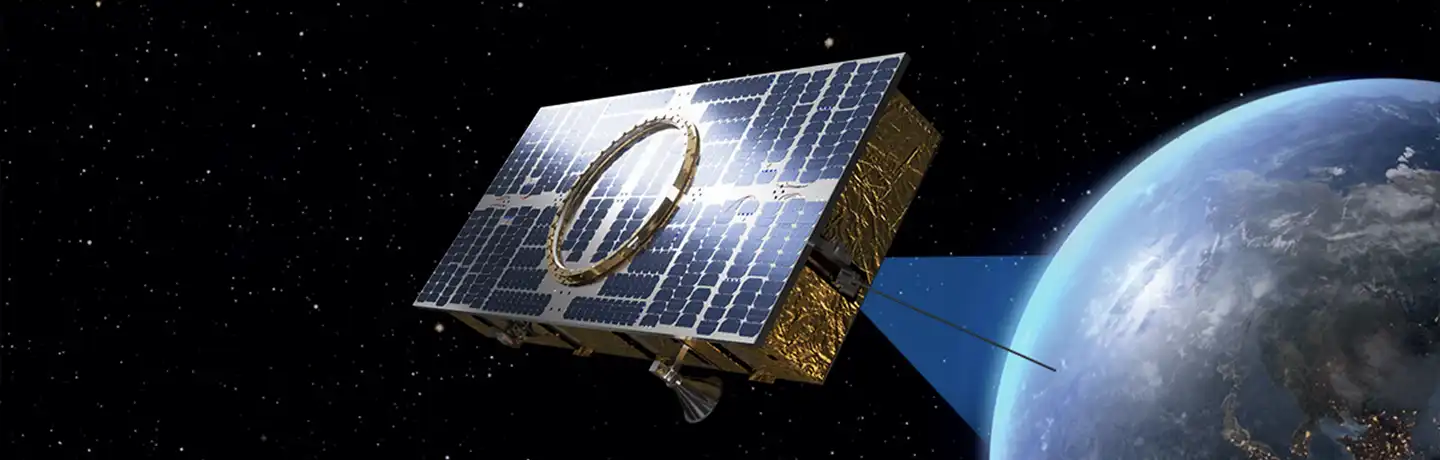
Aerospace advancements also played a major role in 2025. The SpaceEye-T satellite and its high-resolution imaging capabilities marked a major step forward in the satellite value chain. Developed and operated by Satrec Initiative, a leading Korean satellite manufacturer in which Hanwha Aerospace is the largest shareholder, SpaceEye-T brings sharper imaging to applications across agriculture, environmental monitoring, infrastructure planning, and security.
Finally, the year’s developments in energy security came into focus at CERAWeek 2025, with discussions on how supply chain resilience, digital innovation, and targeted infrastructure investment are now essential components of future-ready power systems. These themes reflected the global transition toward energy strategies that prioritize stability and long-term adaptability.
Explore these stories in full through the links below.
View the editor's 6 picks for 2025
-
-

-
Hanwha Qcells achieves key tandem solar module stability milestone
-
-
-

-
Envisioning the future: Shifting defense priorities with Michael Coulter, CEO of Hanwha Defense USA
-
-
-

-
Inside the AI video surveillance evolution
-
-
-

-
Envisioning the future with Hanwha General Insurance CEO Chae-beom Na
-
-
-

-
A clearer view from space: SpaceEye-T raises the bar for satellite imaging.
-
-
-

-
Building resilience: How supply chains, technology, and strategic flexibility strengthen energy...
-



Get the latest news about Hanwha, right in your inbox.
Fields marked with * are mandatory.
- Non-employee
- Employee